The Naughty List: Debunking the Myth of Exotic Animals as Holiday Pets

The holiday season is a time of giving, generosity, and often, big surprises. For many, that surprise might come in the form of a new puppy or a kitten under the Christmas tree. But a more sinister trend persists: the impulse to purchase or gift an exotic, wild animal, like a monkey, a serval, or even a tiger cub as a novelty pet.
This idea, popularized by decades of media and a culture that normalizes keeping big cats as “status symbols,” is a heartbreaking fantasy. The truth is, gifting an exotic animal is not a benevolent gesture; it is a dangerous, unethical act that condemns the animal to a lifetime of suffering.
At Lions Tigers & Bears, we witness the devastating consequences of this practice every single day. Our sanctuary is a safe haven for magnificent animals who were bought on a whim, only to be abandoned, neglected, or abused once they outgrew their owners’ misguided expectations. This December, we’re addressing the cruel myth head-on, urging everyone to keep exotic animals off their holiday shopping list.
Why Exotic Animals as Pets Is a Life-Threatening Mistake
The shocking reality is that there are more tigers living in private hands across the United States, estimated at between 5,000 and 7,000, than exist in the wild globally, which is approximately 5,574. This staggering statistic is fueled by a trade that makes these apex predators frighteningly accessible to members of the general public.
The initial cost of a tiger can be as low as $900 to $2,500, making them cheaper than many purebred dogs. This affordability provides a deceptive entry point, masking the true financial and ethical burdens of ownership:
- The Financial Fallout is Immediate and Catastrophic: The purchase price is a tiny fraction of the lifetime cost. Feeding large quantities of meat, specialized exotic animal veterinary care, constructing and maintaining secure, spacious habitats, permits, and insurance can quickly escalate ownership expenses into the tens, or even hundreds, of thousands of dollars. Most private owners find these costs logistically and financially overwhelming.
- The Care is Too Complex: Tigers, lions, leopards, and other wild animals are built to cover miles and express complex, instinctive behaviors in the wild. They are not domesticated. Private owners simply cannot provide the extensive mental, physical, and nutritional needs these animals demand. This failure to provide adequate resources results in chronic stress, boredom, abnormal behaviors like pacing or self-harm, and severe neglect.
- Longevity is a Problem, Not a Perk: While a domestic dog may live for 15 years, a tiger in captivity can live for 20 years or more. This means the commitment is far longer than most people are prepared for. When the cute cub becomes a fully grown, unpredictable predator, they are often abandoned, sold to other unprepared owners, or kept in tiny, cruel cages with minimal care.

The Danger of Close Contact and the Scars of the Trade
Every animal welfare advocate knows that close contact is a recipe for disaster. Big cats are predators, not cuddly companions, and even a seemingly tame animal can attack without warning. Documented attacks, escapes, and maulings from private ownership are disturbingly common.
The risk isn't just physical. Exotic animals can transmit serious diseases to humans, including tuberculosis, ringworm, and various parasites. When these animals are kept in close contact with families or visitors (a common scenario for those who purchase cubs for photo opportunities) the risks are especially high.
Perhaps the most tragic aspect of the trade is what’s done to make these wild animals appear safe:
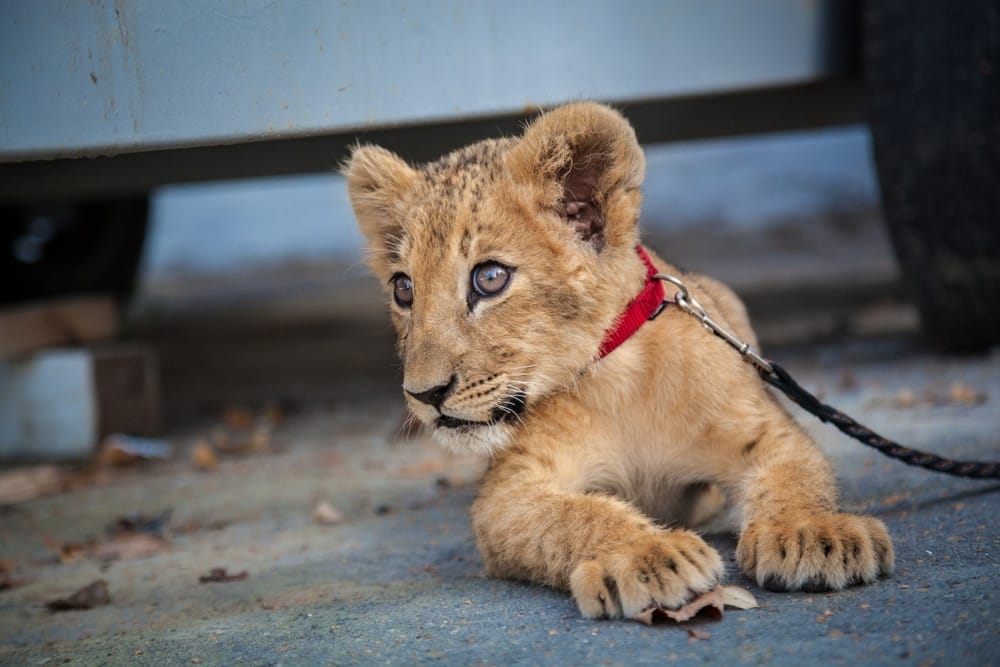
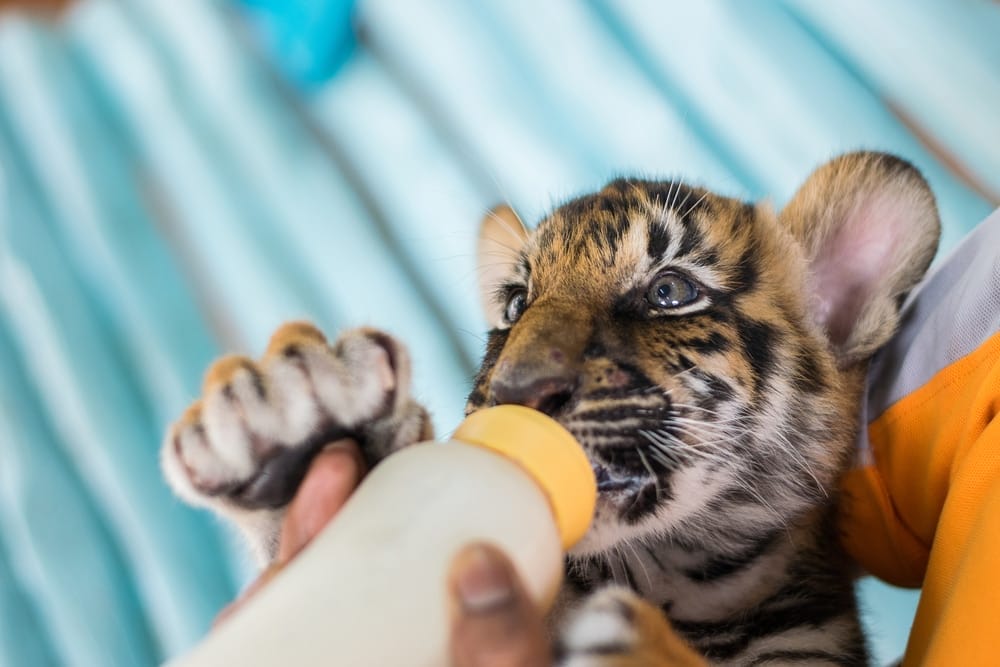
- Early Separation Trauma: Cubs are often taken from their mothers at just a few weeks old to be sold for petting and photos. This early separation causes significant emotional trauma and stunts the animal's natural development.
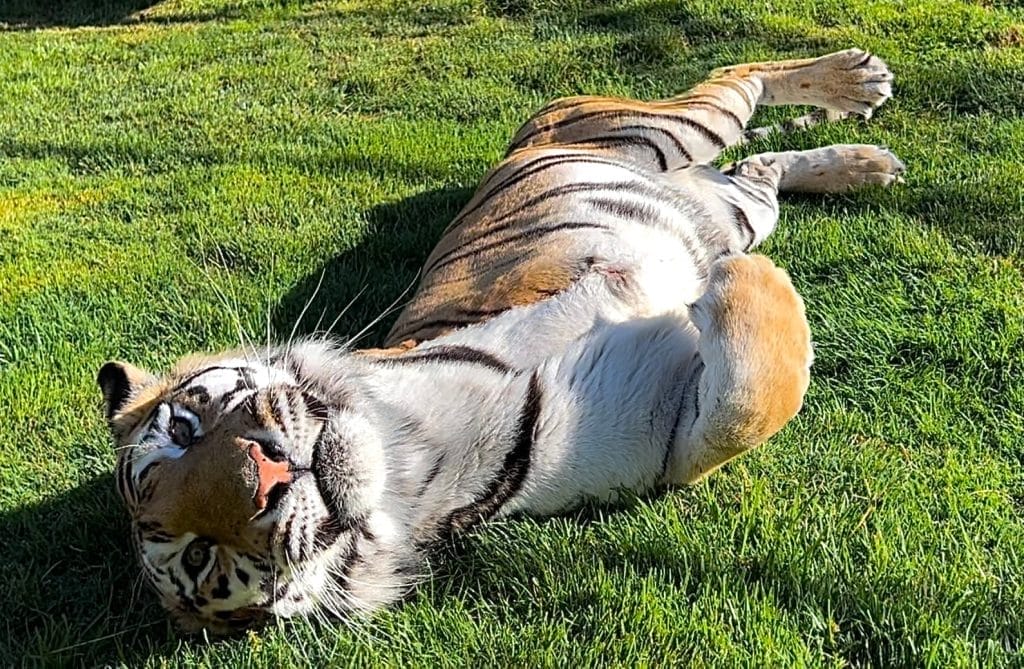
- Mutilation: Animals like our own Kallie the tiger were declawed as cubs to make them easier to handle for public encounters. Declawing is not a simple nail trim; it is the amputation of the last bone in each toe. This irreversible procedure causes chronic pain, joint deterioration, nerve damage, and behavioral problems that last a lifetime. You can learn more about the devastating effects by reading Kallie’s Story.
The Legislative Push: Why We Need the Big Cat Public Safety Act
For too long, weak or inconsistent exotic animal ownership laws across the United States made it easier to acquire a tiger than to adopt a shelter dog.
A major step forward in protecting big cats came in December 2022 with the passage of the Big Cat Public Safety Act (BCPSA). This landmark federal law bans the private ownership of big cats and severely restricts public contact, like cub petting. Lions Tigers & Bears founder Bobbi Brink spent over a decade lobbying for this essential legislation, even testifying before Congress.
While the BCPSA is a massive victory, full implementation will take time, and existing owners can often keep their animals under certain conditions. This means the cycle of neglect and the need for accredited sanctuaries is far from over.
Accredited sanctuaries like Lions Tigers & Bears represent the gold standard of animal care. We are one of the few exotic wildlife facilities accredited by both the Global Federation of Animal Sanctuaries (GFAS) and the American Sanctuary Association (ASA). This accreditation assures visitors, donors, and the public that our operations are transparent, ethical, and entirely dedicated to animal welfare, never exploitation.
A Humane Holiday: The Right Way to Support Wildlife

This holiday season, you have the power to protect these majestic animals and promote a better future for wildlife.
Instead of seeking out an exotic pet (or worse, supporting a facility that offers photo ops with cubs and fuels the cub-petting industry) you can:
- Be an Informed Consumer: Before visiting or donating to any facility, always check for GFAS or ASA accreditation. This ensures that the animals are genuinely protected, never bred, exploited, or used for entertainment.
- Support a True Safe Haven: Sanctuaries like Lions Tigers & Bears step in to rescue these abandoned and suffering animals, providing safe, natural habitats, expert veterinary care, and lifelong attention. Your donation helps provide nutritious meals, medical care, and dignity to animals who have known only fear and neglect.
- Advocate and Educate: Share the truth about the exotic pet trade and the importance of legislation like the Big Cat Public Safety Act with your friends and family. Encourage a culture of respect for wildlife.
Every contribution ensures rescued tigers, lions, and bears have a safe, permanent home where they can live the rest of their lives in peace. This holiday season, choose kindness, choose ethics, and choose to make a real difference.
Frequently Asked Questions (FAQ)
Q: What is the biggest danger of keeping exotic cats as pets?
A: The single biggest danger is that exotic cats are instinctual predators and cannot be domesticated. Even seemingly tame animals can be unpredictable, leading to attacks, injuries, or death for owners or the public. The animals themselves suffer immensely when their complex physical and psychological needs for space and specialized care cannot be met by private owners, often leading to neglect, abuse, and self-harming behaviors.
Q: How can I tell if a sanctuary is ethical and truly helping animals?
A: The most reliable way to tell is by checking for accreditation from a respected third-party organization, such as the Global Federation of Animal Sanctuaries (GFAS) or the American Sanctuary Association (ASA). Accredited sanctuaries commit to rigorous standards, including lifelong care, a strict no-breed, no-contact policy (no cub petting or public interactions), and proven financial stability and accountability.
Q: Are white tigers endangered, and are they a good choice for a pet?
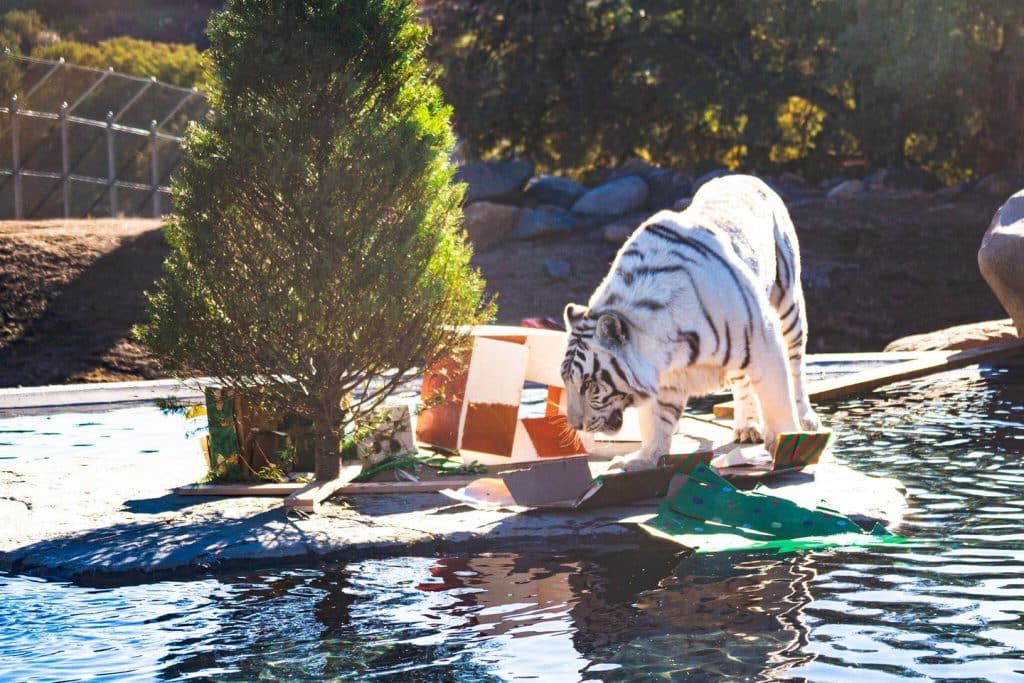
A: White tigers are not a separate species and are not a conservation priority; they are the result of a rare genetic mutation that has been ruthlessly exploited by breeders for profit and novelty. The selective breeding required to produce their coat color causes a high rate of severe deformities, including scoliosis, cleft palates, and clubfoot. As a result, white tigers bred in captivity often live with lifelong pain and suffering, making them an incredibly poor, and unethical choice for a pet.
Q: Why do facilities allow public contact with cubs if it’s so harmful?
A: Public contact, such as cub petting or photo opportunities, is done for one reason: profit. Cubs are lucrative props, but their use is predicated on early separation from their mothers and mutilation like declawing to make them "safe" for handling. This practice is part of the cub-petting industry and has been restricted by the Big Cat Public Safety Act because it causes immense physical trauma, emotional damage, and creates a supply chain of unwanted adult animals.