Travellers' Choice™ Best of the Best

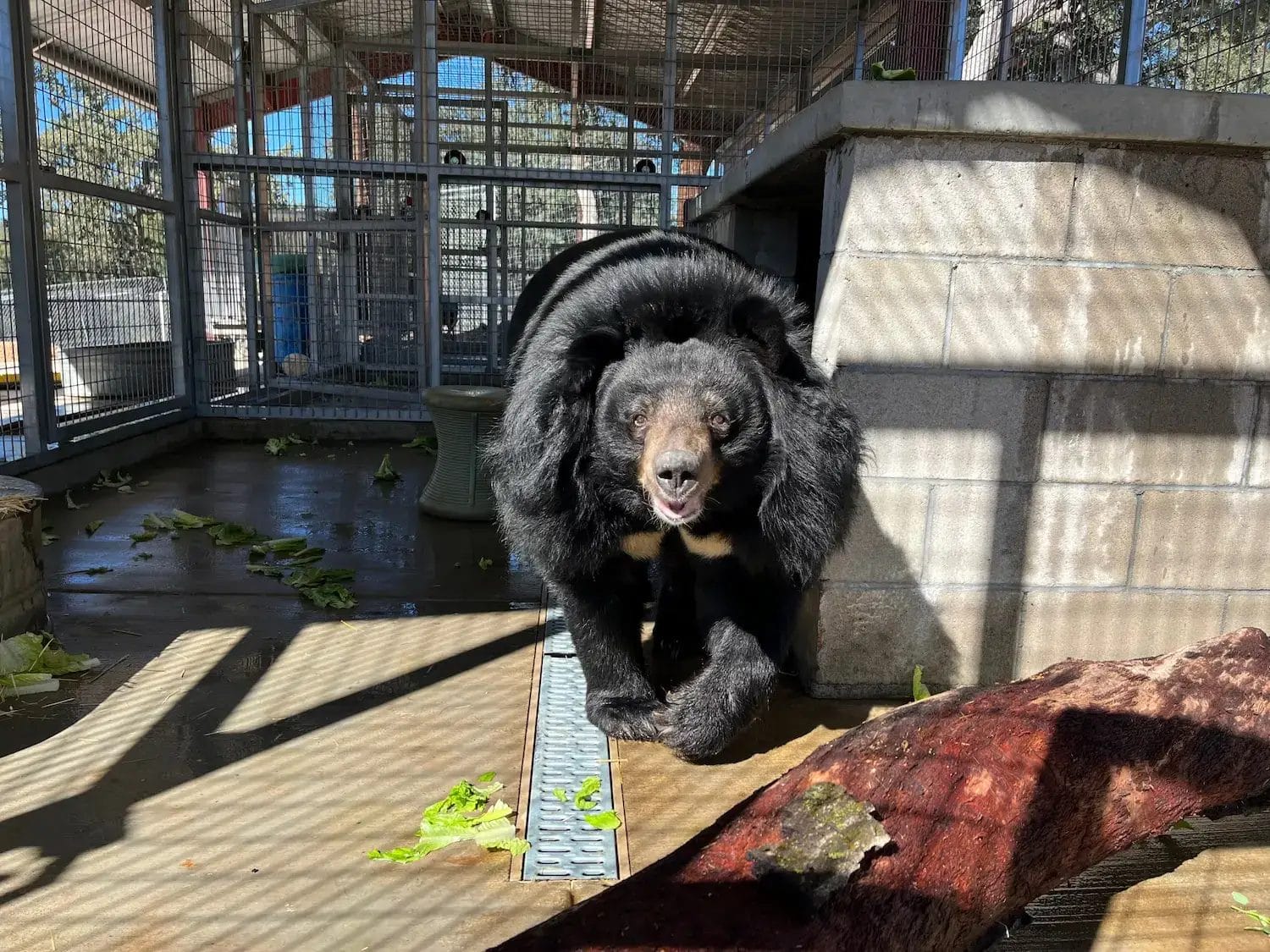
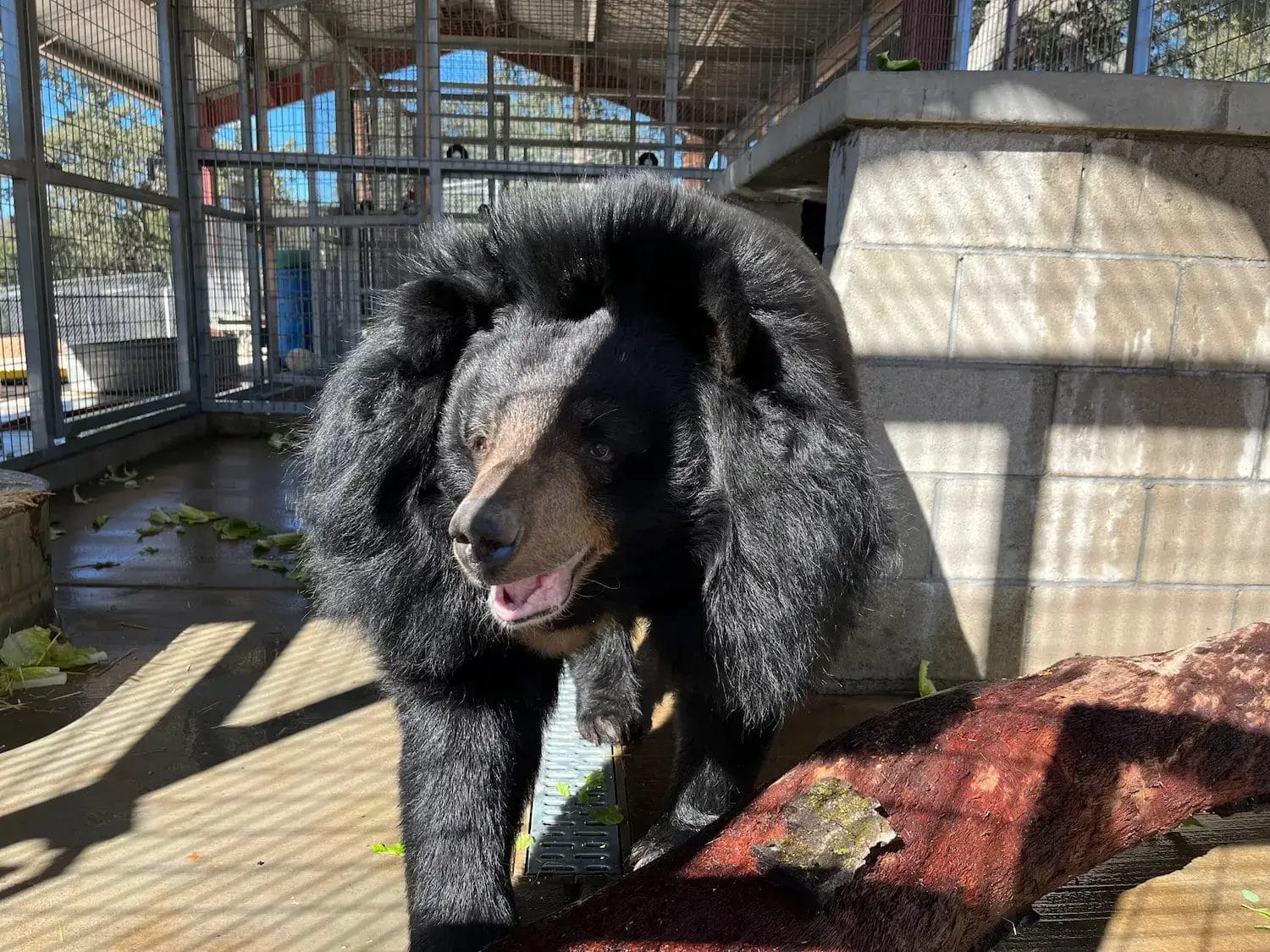
In October 2022, Susie and Sallie found their long-awaited freedom when they were rescued from the Tri-State Zoological Park in Maryland. This facility had been a defunct roadside zoo that had faced
multiple animal welfare violations over the years, ultimately leading to its closure.

The path to this rescue was a lengthy and challenging one. PETA had filed lawsuits against the park in 2019 and then again in 2020, and it took an additional two years to set the rescue plan into motion. The relief was palpable when our team had the opportunity to help facilitate the rescue of 12 animals from the property.

Read More
Name
Sallie
BORN DATE
Unknown
RESCUE DATE
10/12/2022
GENDER
Female
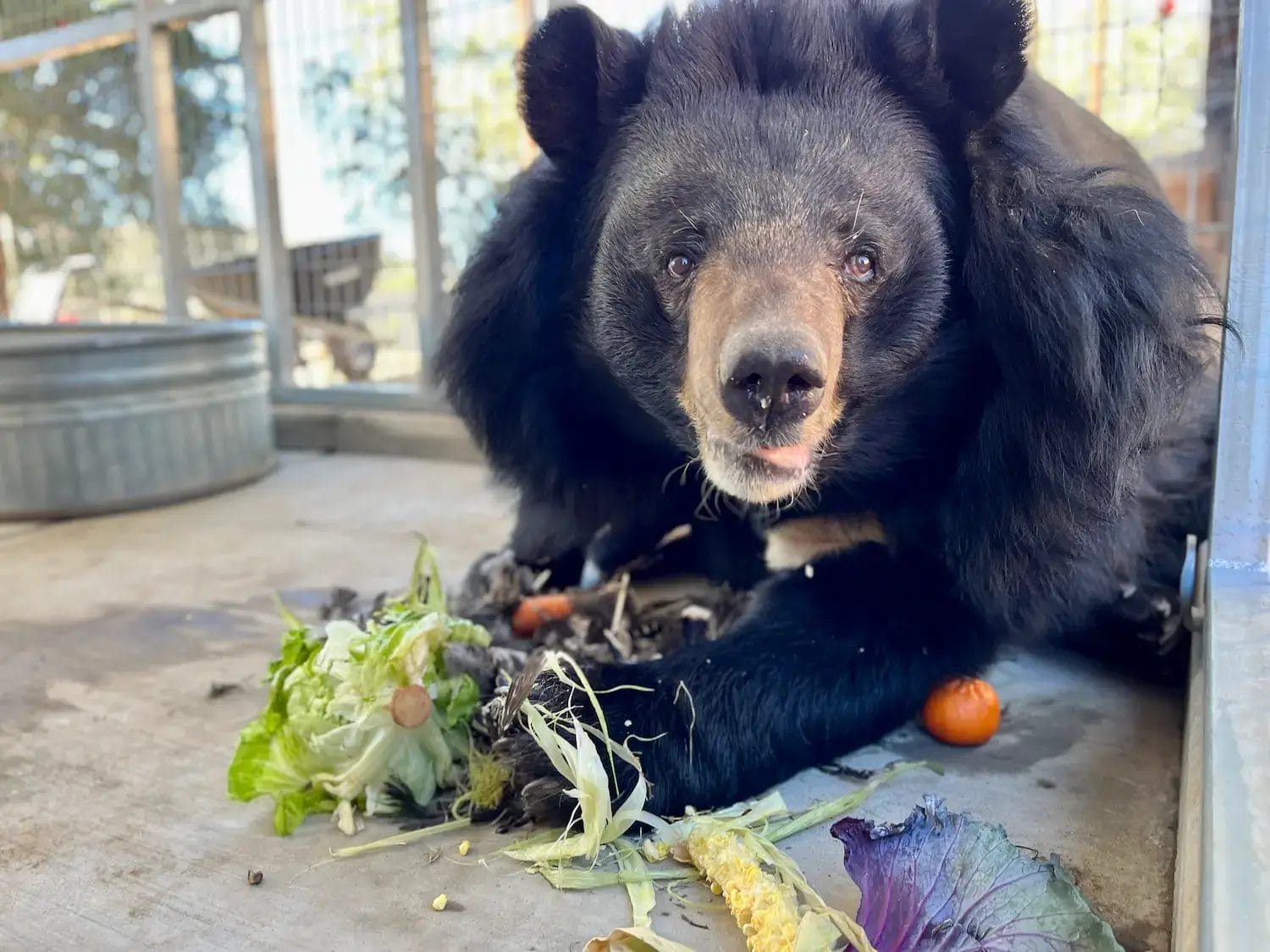
FAVORITE FOOD
Lettuce

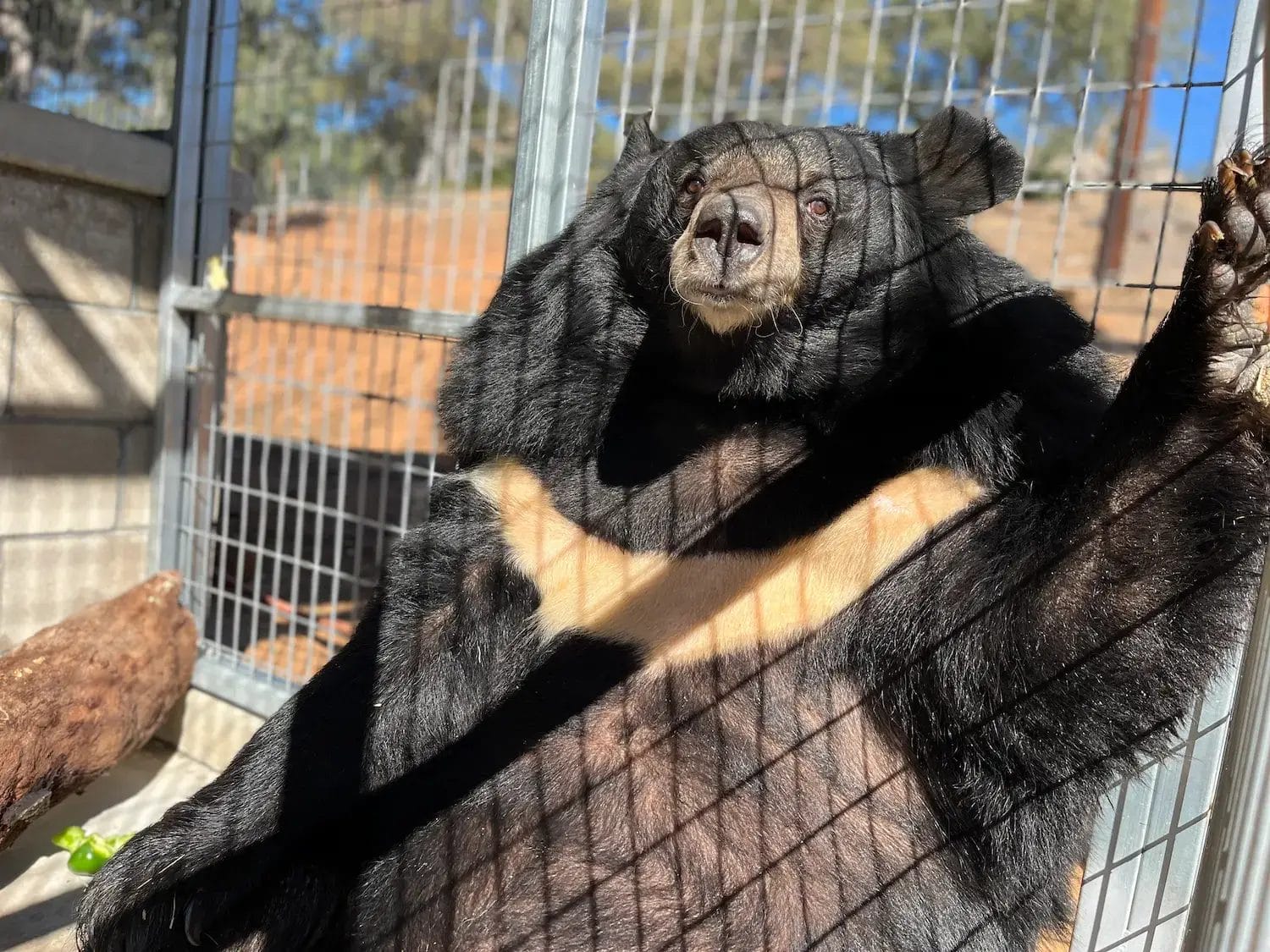
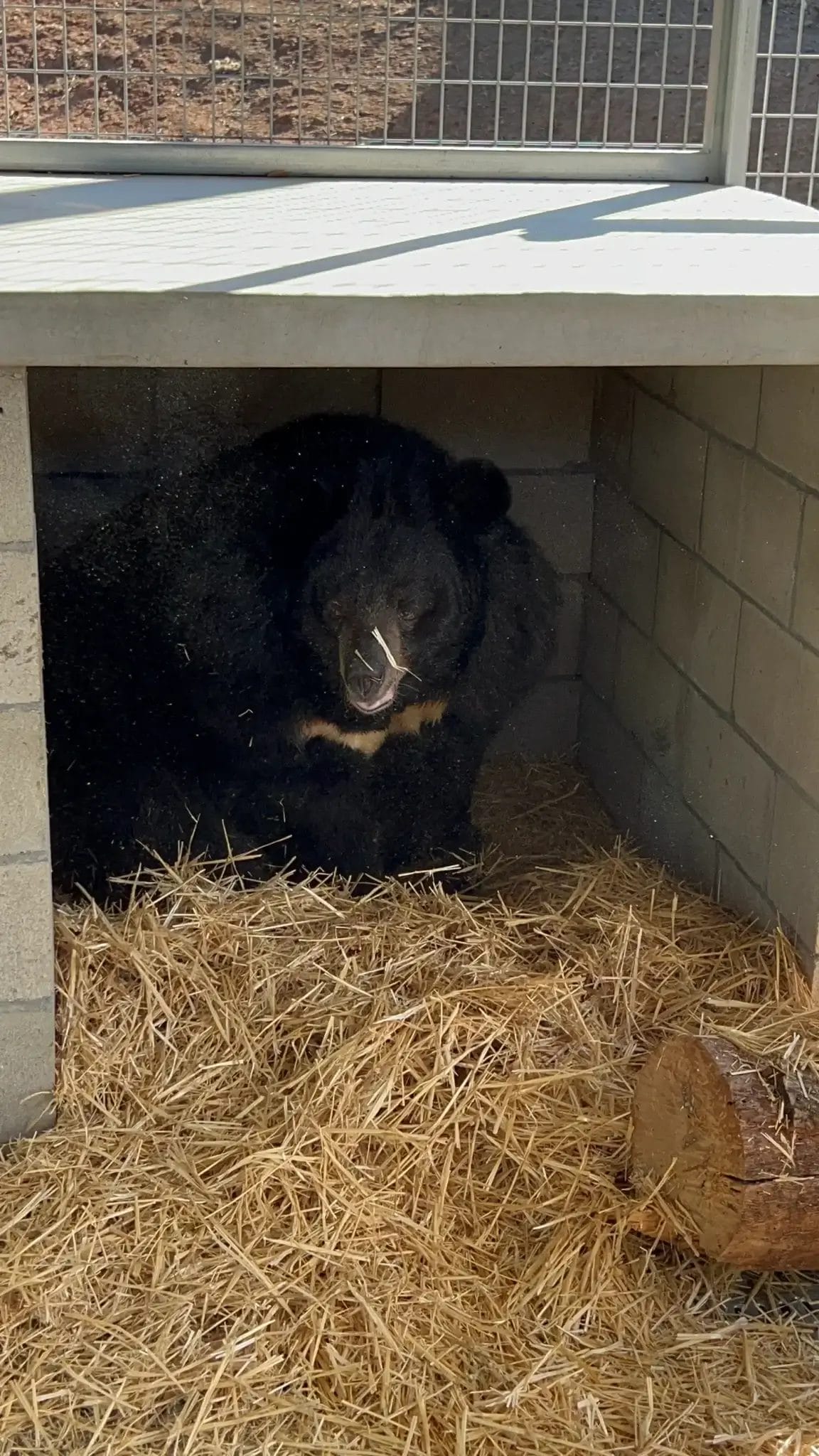
Prior to their rescue, Susie and Sallie endured years in a small and unsanitary enclosure with no access to fresh water and fed a diet of donuts and junk food. The conditions led to them becoming grossly overweight, causing them great discomfort. Furthermore, both bears suffered from the loss of most of their teeth due to a substandard diet and a lack of proper veterinary care over their lifetime.

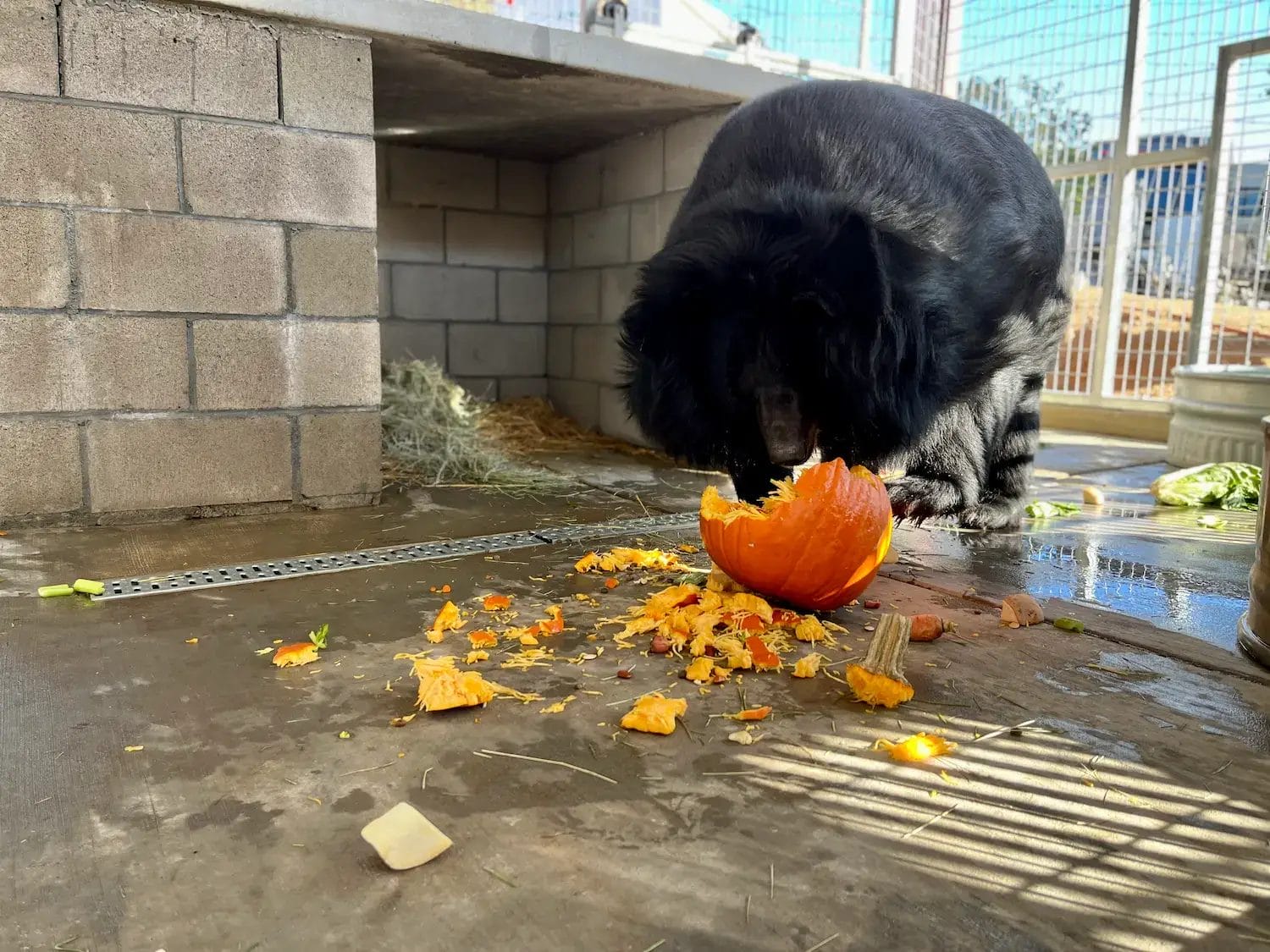
Since their rescue, our dedicated team has been diligently working to provide Susie and Sallie with the care they deserve. This includes a healthy diet, plenty of enrichment activities to stimulate their minds and bodies, and tailored veterinary care to make their lives as comfortable as possible, offering these
bears a much-needed chance at a brighter and more fulfilling future.

Watch Sallie's Incredible Story

Milestones

.

Years of Neglect at Tri-State Zoological Park (Pre-Rescue):
Like Susie, Sallie endured years of suffering in a small, dirty enclosure with no access to fresh water and a diet of junk food, leading to severe health problems, including obesity and the loss of most of her teeth.

.

Legal Actions Leading to Tri-State Zoo's Closure (2019–2022):
PETA’s lawsuits filed in 2019 and 2020 ultimately led to the closure of the zoo, creating an opportunity for Sallie and the other animals to be rescued from inhumane conditions.

.

Rescue and Relocation to Lions Tigers & Bears (October 2022):
Sallie’s rescue, along with Susie and 10 other animals, marked the beginning of a new chapter. She was transported to Lions Tigers & Bears, where she finally received the care and environment she deserved.

.

Healing and Recovery at Lions Tigers & Bears (Post-Rescue):
Since her arrival, Sallie has undergone a remarkable transformation, receiving veterinary care for her dental issues and obesity, a proper diet, and enrichment to improve her physical and mental well-being, giving her a second chance at a fulfilling life.

hello world!

Sallie's Gallery

sponsor Sallie

Shop Sallie Merch

shop here

Meet Our Other Residents

Frick
Meet Frick, Our Friendly Llama Frick is currently our sole llama at Lions Tigers & Bears. She was originally rescued with another llama named Frack.
Sugar Bear
Meet Sugar Bear, Our Black Bear Sugar Bear's story is one of resilience and compassion. Originally bred to be sold to a canned hunt ranch, or what is sometimes called a "game park," his fate took an unexpected turn. An unaccredited sanctuary owner, who was not affiliated with the canned-hunt ranch, discovered Sugar Bear and […]
Blossom
Meet Blossom, Our Black Bear  Blossom and Delilah were the last remaining residents at a roadside zoo in Oklahoma that had lost funding and was forced to close its doors. The zoo officials faced financial difficulties as they sought to provide proper care for their 240 animals and find new homes for them. However, in […]
1 2 3 25

FAQ's

What do bears eat?

Bears are omnivores, meaning they eat both plants and animals. Their diet varies by species and season but typically includes berries, nuts, roots, insects, fish, and small mammals. Some bears, like grizzlies, are skilled hunters, while others, like black bears, rely more on foraging.

Where do bears live?

Bears are found across North America, Europe, Asia, and even parts of South America. They inhabit a variety of ecosystems, including forests, mountains, tundras, and coastal regions. Each species has its own preferred habitat, such as polar bears in the Arctic and black bears in dense woodlands.

How long do bears live?

In the wild, bears typically live 15-25 years, depending on the species and environmental factors. In captivity, with proper care and veterinary attention, they can live over 30 years.

Are bears social animals?

No, most bears are solitary, except for mothers raising cubs. However, some species, like grizzlies, may gather in groups when food is abundant, such as during salmon runs. Bears communicate through body language, vocalizations, and scent markings.

How fast can bears run?

Despite their size, bears are surprisingly fast. Depending on the species, they can run between 30-40 mph (48-64 km/h) in short bursts. Black bears are particularly agile climbers, while grizzlies have immense power for chasing down prey or defending themselves.

Are bears endangered?

Some bear species are endangered due to habitat destruction, poaching, and climate change. For example, polar bears are at risk due to melting sea ice, while Asiatic black bears are hunted for the illegal wildlife trade. Other species, like American black bears, have stable populations but still face threats from human-wildlife conflict.

How many bears are in captivity?

Thousands of bears are held in captivity worldwide, often in roadside zoos, circuses, or private ownership. Many are used for entertainment, bred for the exotic pet trade, or kept in small enclosures with inadequate care. Sanctuaries like Lions Tigers & Bears rescue and rehabilitate bears from these situations, giving them a safe and natural environment to live out their lives.

Watch More Videos on s

hello world!
Interpreting the Many Sounds and Calls of Bears | Lions Tigers & Bears | Exotic Animal Sanctuary
Why Bears Should Remain in Their Natural Environment | Lions Tigers & Bears Animal Sanctuary
Bears and Their Keen Sense of Smell | Lions Tigers & Bears | San Diego's Exotic Animal Sanctuary

Read More Related Articles

24/01/25 | By: Bobbi Brink
Serving the Servals: Unravel the Mysteries of a Wild Cat Species
Servals are medium-sized wild cats native to Sub-Saharan Africa. They are known for their distinctive appearance, which features a slender body, long legs, and a relatively small head with large, rounded ears. These wild cat species have golden-yellow coats with black spots and stripes that often get them mistaken for young cheetahs, tigers or even […]
Read more
24/06/06 | By: Bobbi Brink
Bobcats in the United States: Understanding Their Role in Nature
Bobcats are medium-sized wild cats native to North America. They are quite adaptable and resilient, with distinctive features like tufted ears and a short bobbed tail, from which they get their name. Bobcats are quite similar to the house cat in that they use whiskers like fingertips to feel their surroundings and judge whether an […]
Read more
26/01/20 | By: Bobbi Brink
Jaguar vs. Leopard: Spotting the Difference Between Jungle Giants
In the world of wild cats, few animals are as easily confused as the jaguar and the leopard. To the untrained eye, they look remarkably similar: both are stunning, golden-coated apex predators covered in black spots, and both exude an aura of raw power. It is a common question we hear at Lions Tigers & […]
Read more
1 2 3 33

Ph: 619.659.8078
Fx: 619.659.8841
[email protected]
24402 Martin Way, Alpine, CA 91901

Subscribe for our newsletter & get the latest news, exclusive deals, and to hear amazing stories of our rescued animals!


Subscription Form
© Lions Tigers & Bears. All Rights Reserved.
501(c)(3) Federal Tax ID #33-0938499
linkedin facebook pinterest youtube rss twitter instagram facebook-blank rss-blank linkedin-blank pinterest youtube twitter instagram