Travellers' Choice™ Best of the Best

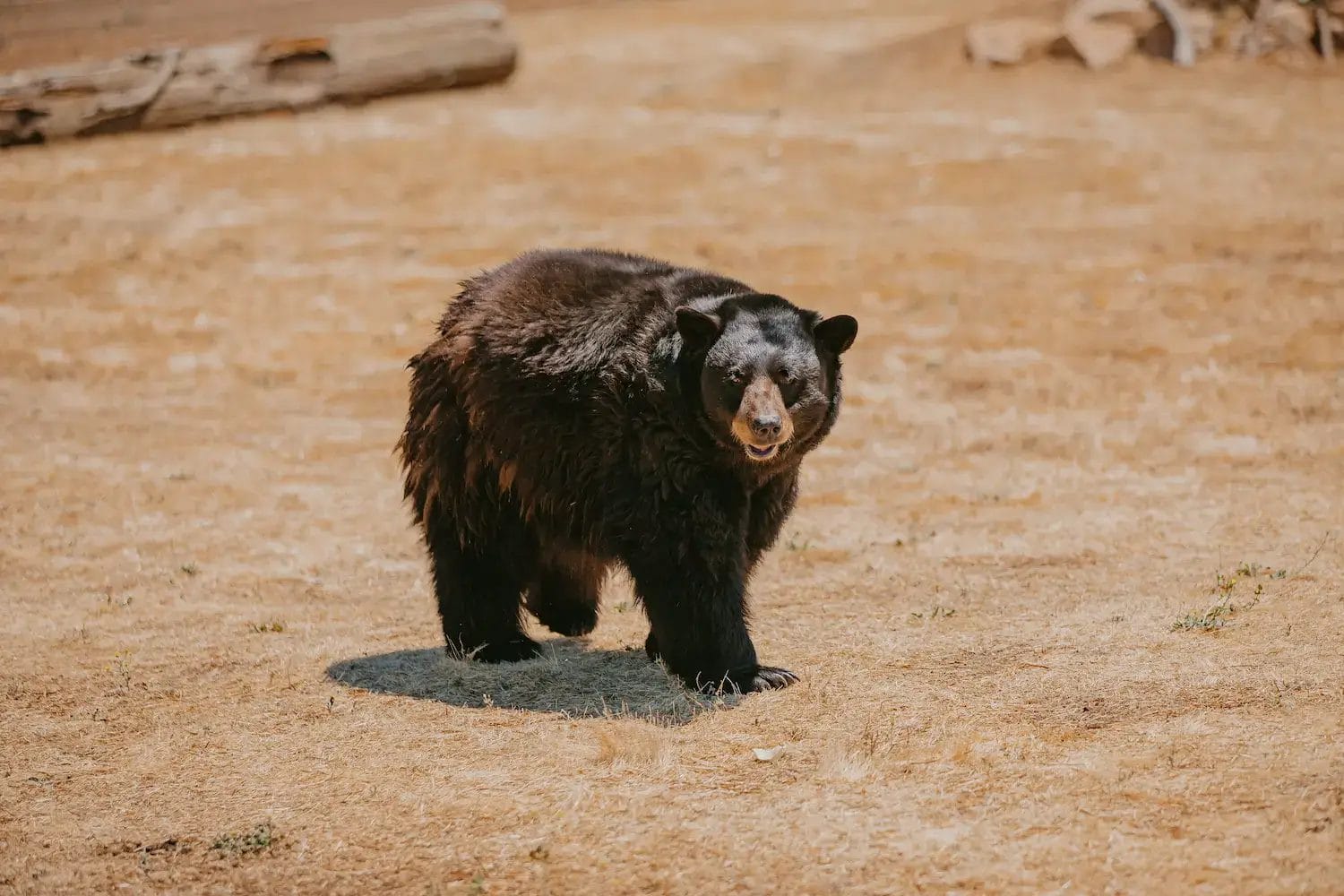
Meet Liberty, Our Black Bear

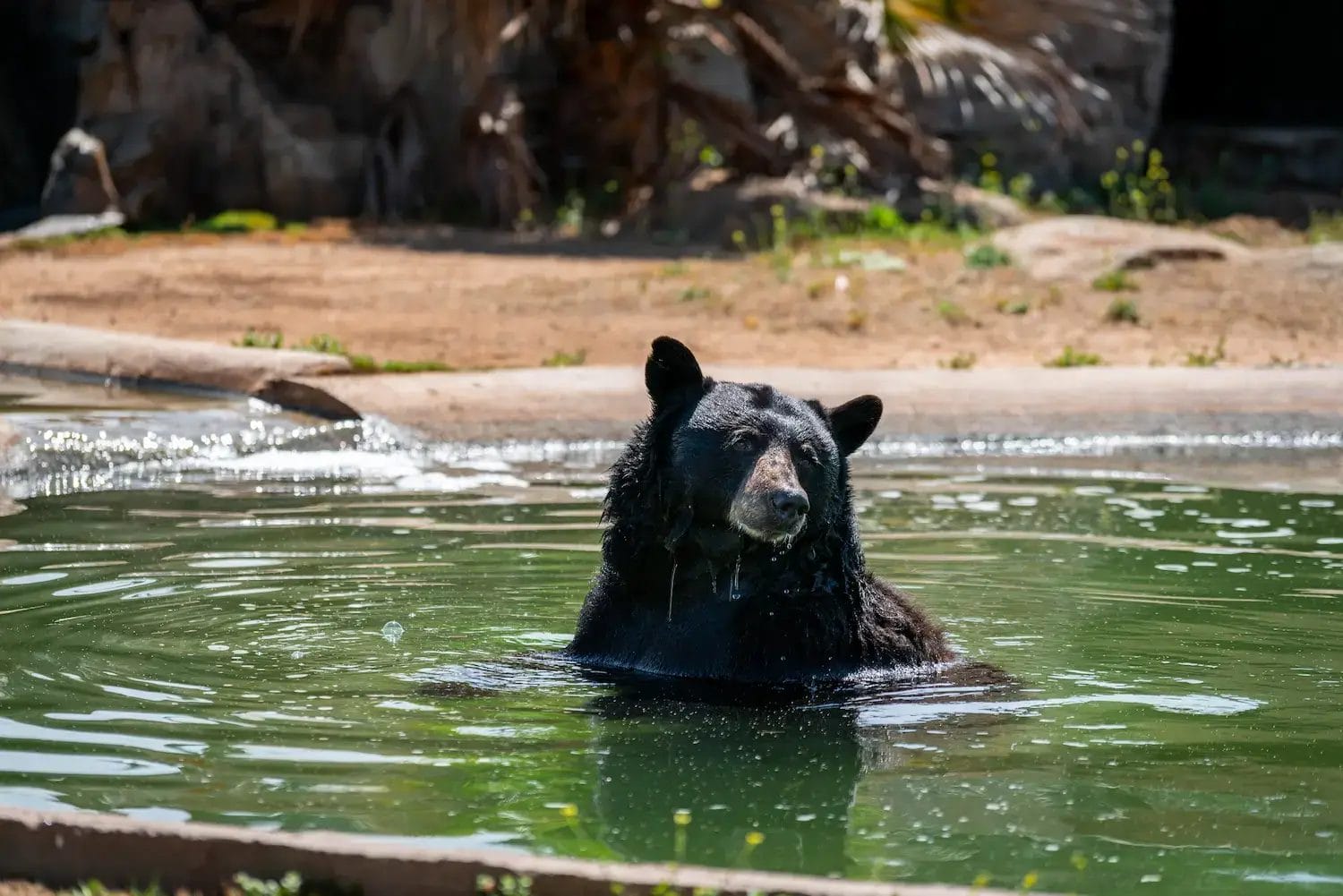
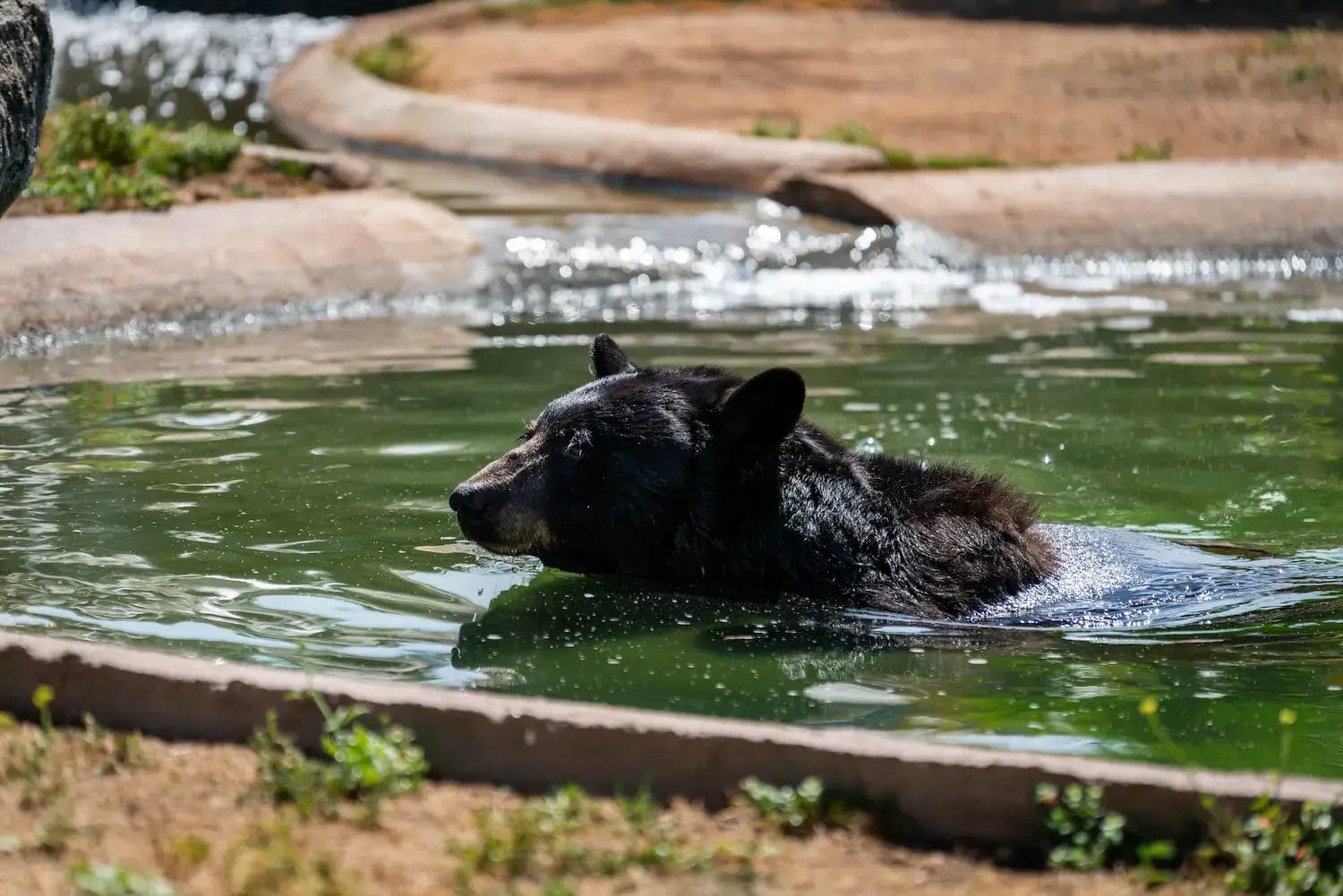
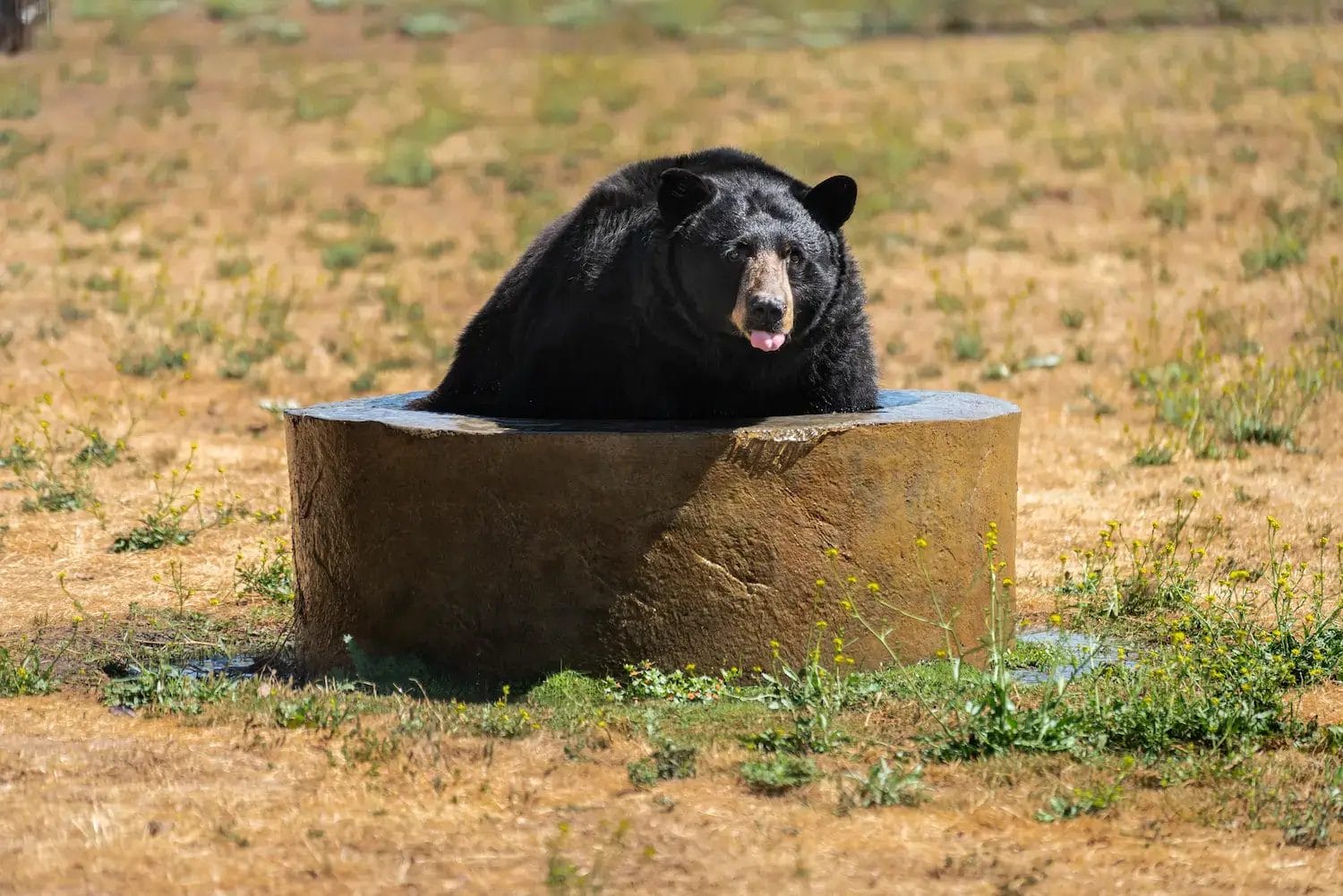
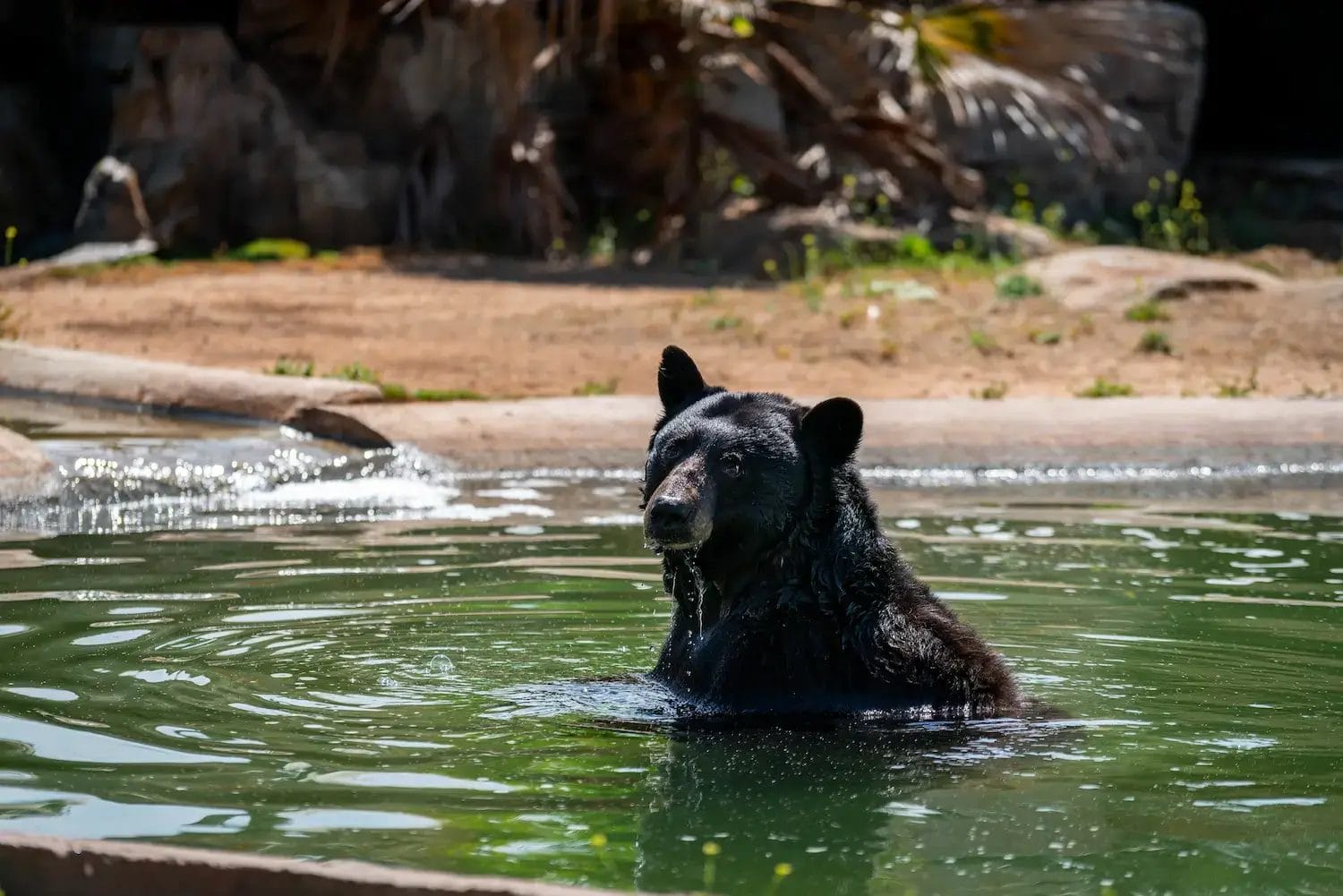
Liberty holds a special place in the hearts of Lions Tigers & Bears'"' (LTB), and that's why her habitat is known as "Liberty's Station." She was the very first black bear to find a home at LTB, and her story is a testament to the power of rescue and compassion.

Much like Meatball, Liberty's journey to LTB began in the wild. As a cub, she was separated from her mother and learned to fend for herself in the campgrounds near Mt. Baldy, California.
Yearling bears like Liberty naturally leave their mothers to establish their own territories. Unfortunately, when these young bears venture into campgrounds where campers are not practicing bear safety, their chances of survival become bleak.

In a rare and heartwarming act of compassion, an officer with the California Department of Fish and Wildlife couldn't bear to witness yet another yearling bear facing euthanasia. Instead, he took the extraordinary step of reaching out to LTB.

On the 4th of July in 2009, Liberty made her way to LTB, accompanied by the very agent who had saved her. This brave officer's children had a special role in this rescue-they gave her the name "Liberty."
Liberty's story not only symbolizes freedom and hope but also serves as a reminder of the incredible difference that can be made through acts of kindness and compassion towards wildlife in need.

Read More
Name
Liberty
BORN DATE
Est. February 2008
RESCUE DATE
7/4/2009
GENDER
Female
FAVORITE FOOD
Salmon, Avocado, Eggs and Anything Sweet

In a rare and heartwarming act of compassion, an officer with the California Department of Fish and Wildlife couldn't bear to witness yet another yearling bear facing euthanasia. Instead, he took the extraordinary step of reaching out to LTB.

On the 4th of July in 2009, Liberty made her way to LTB, accompanied by the very agent who had saved her. This brave officer's children had a special role in this rescue-they gave her the name "Liberty."
Liberty's story not only symbolizes freedom and hope but also serves as a reminder of the incredible difference that can be made through acts of kindness and compassion towards wildlife in need.

Watch Liberty's Incredible Story

Milestones

.

Separated from Her Mother (2008) – As a young cub, Liberty was separated from her mother and began fending for herself in the campgrounds near Mt. Baldy, California, scavenging for food left by campers.

.

Rescue Intervention (Summer 2009) – Facing the grim fate of euthanasia, Liberty was saved by a compassionate California Department of Fish and Wildlife officer, who reached out to Lions Tigers & Bears for help.

.

Arrived at Lions Tigers & Bears (July 4, 2009) – On Independence Day, Liberty was transported to her new home at LTB, where she became the very first black bear to be rescued by the sanctuary. The officer’s children named her “Liberty” in honor of her newfound freedom.

.

Living Her Best Life (Present Day) – Now thriving in her habitat, aptly named "Liberty’s Station," she enjoys the companionship of other rescued bears, a well-balanced diet, and the care and safety she deserves.

hello world!

Liberty's Gallery

sponsor Liberty

Shop Liberty Merch

shop here

Meet Our Other Residents

Sadie
Meet Our Bengal Hybrid, Sadie Sadie the Bengal is BFF's with Denali the serval. The pair were rescued in 2016 from Spirit of the Hills Sanctuary in South Dakota.  Lions Tigers & Bears was part of a massive rescue and relocation effort for the sanctuary that began in the fall of 2016. The sanctuary was […]
Margarito
Meet Margarito, Our Cow Rescue story coming soon. Stay tuned!
1 2 3 25

FAQ's

What do bears eat?

Bears are omnivores, meaning they eat both plants and animals. Their diet varies by species and season but typically includes berries, nuts, roots, insects, fish, and small mammals. Some bears, like grizzlies, are skilled hunters, while others, like black bears, rely more on foraging.

Where do bears live?

Bears are found across North America, Europe, Asia, and even parts of South America. They inhabit a variety of ecosystems, including forests, mountains, tundras, and coastal regions. Each species has its own preferred habitat, such as polar bears in the Arctic and black bears in dense woodlands.

How long do bears live?

In the wild, bears typically live 15-25 years, depending on the species and environmental factors. In captivity, with proper care and veterinary attention, they can live over 30 years.

Are bears social animals?

No, most bears are solitary, except for mothers raising cubs. However, some species, like grizzlies, may gather in groups when food is abundant, such as during salmon runs. Bears communicate through body language, vocalizations, and scent markings.

How fast can bears run?

Despite their size, bears are surprisingly fast. Depending on the species, they can run between 30-40 mph (48-64 km/h) in short bursts. Black bears are particularly agile climbers, while grizzlies have immense power for chasing down prey or defending themselves.

Are bears endangered?

Some bear species are endangered due to habitat destruction, poaching, and climate change. For example, polar bears are at risk due to melting sea ice, while Asiatic black bears are hunted for the illegal wildlife trade. Other species, like American black bears, have stable populations but still face threats from human-wildlife conflict.

How many bears are in captivity?

Thousands of bears are held in captivity worldwide, often in roadside zoos, circuses, or private ownership. Many are used for entertainment, bred for the exotic pet trade, or kept in small enclosures with inadequate care. Sanctuaries like Lions Tigers & Bears rescue and rehabilitate bears from these situations, giving them a safe and natural environment to live out their lives.

Watch More Videos on s

hello world!
Interpreting the Many Sounds and Calls of Bears | Lions Tigers & Bears | Exotic Animal Sanctuary
Why Bears Should Remain in Their Natural Environment | Lions Tigers & Bears Animal Sanctuary
Bears and Their Keen Sense of Smell | Lions Tigers & Bears | San Diego's Exotic Animal Sanctuary

Read More Related Articles

24/07/24 | By: Bobbi Brink
Some of the Animals at Our San Diego Animal Sanctuary
Our San Diego animal sanctuary is home to more than 60 rescued exotic and domestic animals that include big cats and bears. And each one of these animals has a unique story of how they came to find refuge with us. For the most part, these animals were rescued from dire situations—some from the exotic […]
Read more
24/03/14 | By: Bobbi Brink
Captivity Cruelty: The Dark Side of Private Wildlife Ownership
In a world where the exotic and the extraordinary captivate our imagination, it's no surprise that some people are drawn to the idea of keeping wild animals as pets. The allure of having a majestic lion or bear in the backyard or a tiger lounging in the living room seems like the ultimate status symbol or a […]
Read more
23/09/26 | By: Bobbi Brink
Threats Facing Tigers Today and Our Efforts to Help
Tigers are one of the world's most iconic and majestic wild species. Their striking appearance and powerful presence have captivated humans for centuries. However, today, these magnificent creatures face numerous threats that place their very existence at risk.  About a century ago, there were over 100,000 wild tigers across Asia. But this number is drastically […]
Read more
1 2 3 32

Ph: 619.659.8078
Fx: 619.659.8841
[email protected]
24402 Martin Way, Alpine, CA 91901

Subscribe for our newsletter & get the latest news, exclusive deals, and to hear amazing stories of our rescued animals!


Subscription Form
© Lions Tigers & Bears. All Rights Reserved.
501(c)(3) Federal Tax ID #33-0938499
linkedin facebook pinterest youtube rss twitter instagram facebook-blank rss-blank linkedin-blank pinterest youtube twitter instagram