Travellers' Choice™ Best of the Best

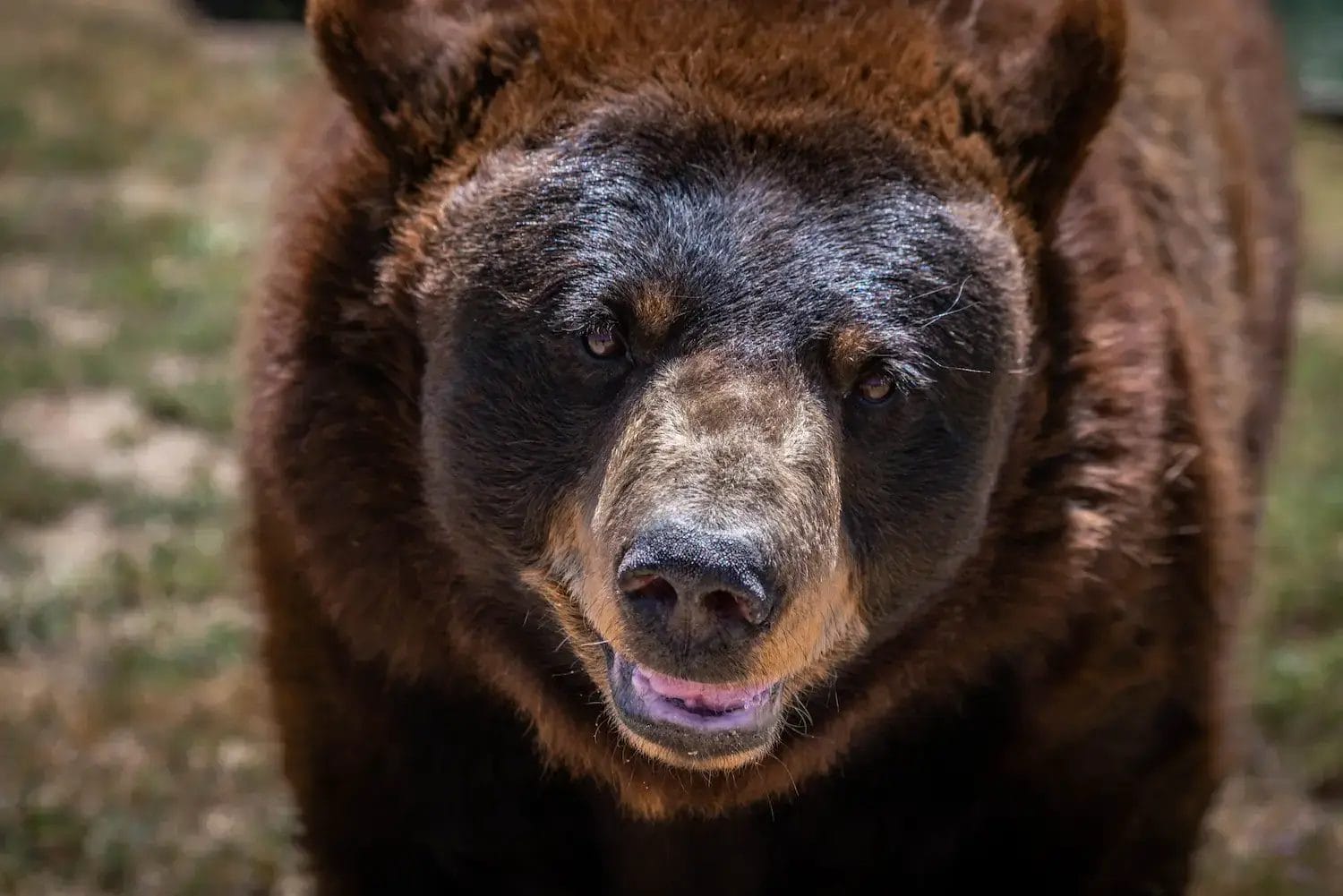
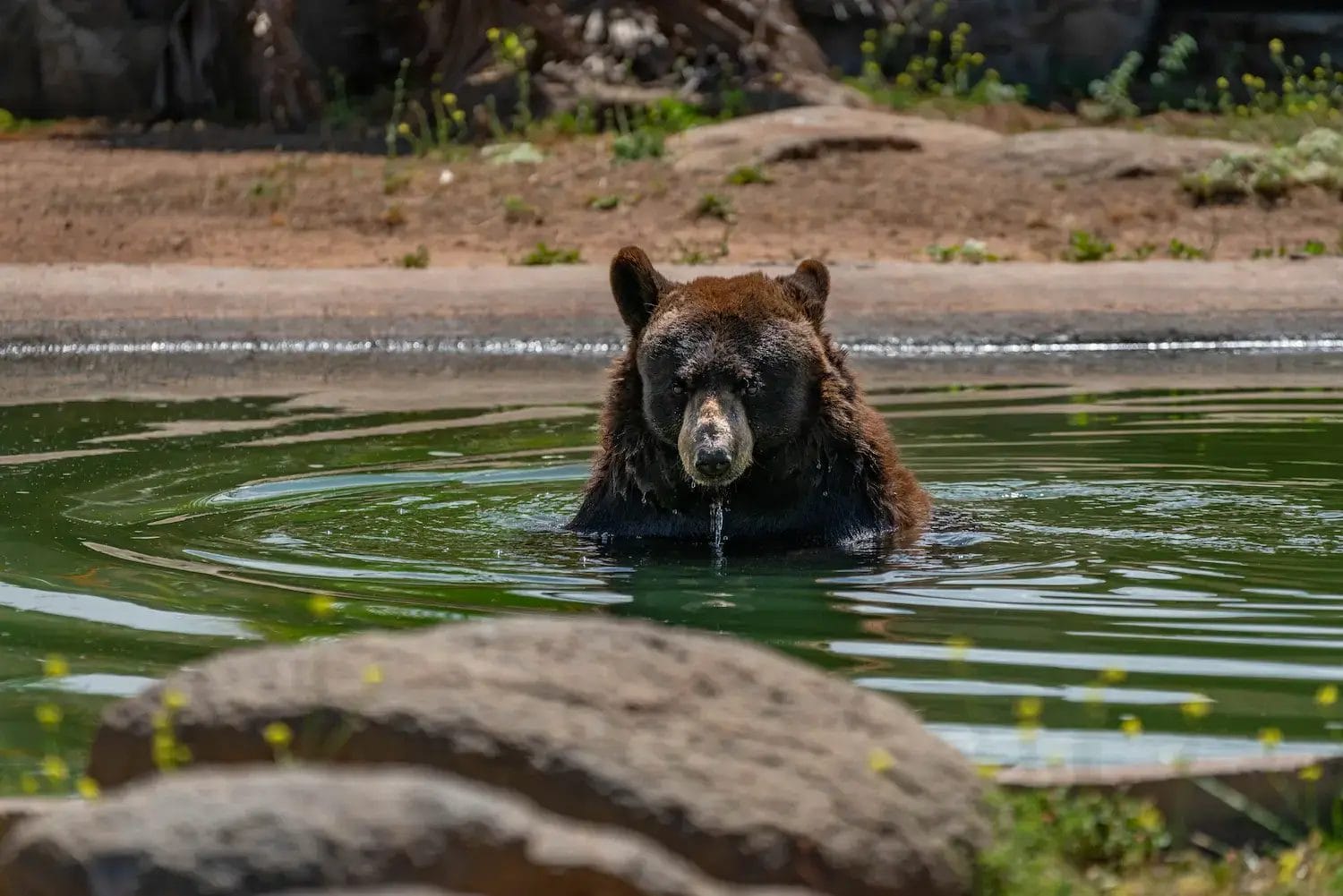
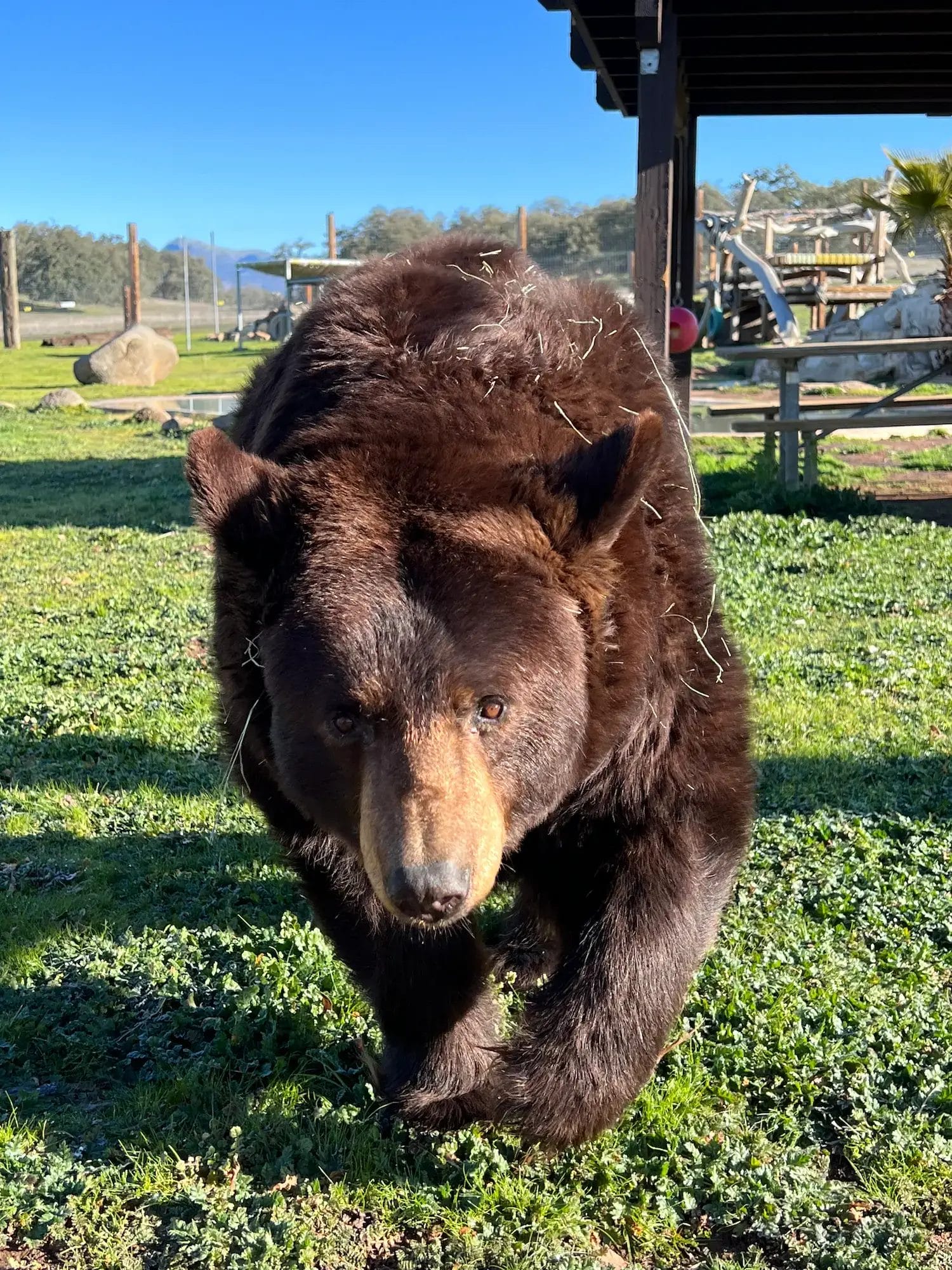
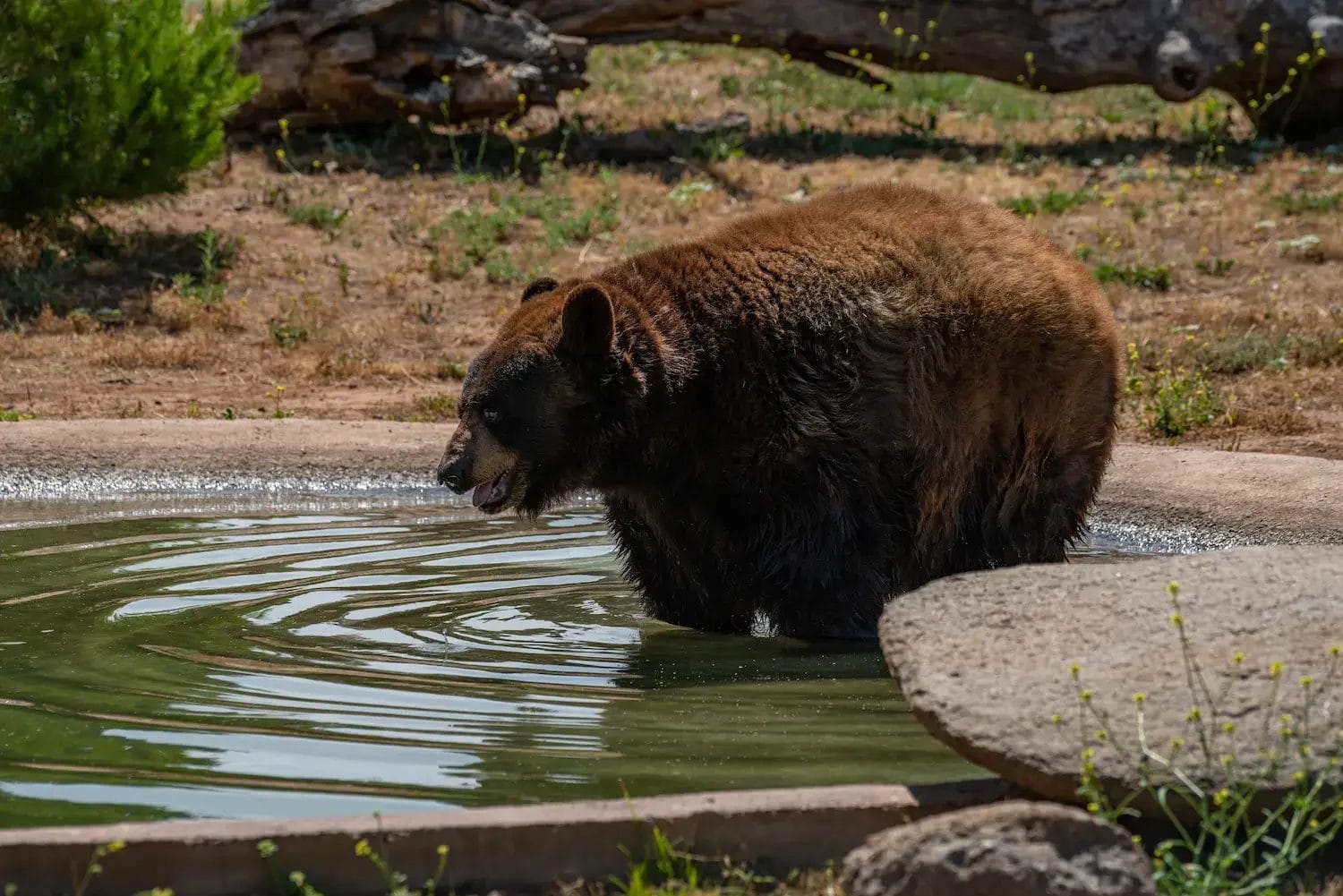
Meet Maddie, Our Black Bear

Maddie's story begins with her being purchased as a cub, intended to be a family pet for a 3-year-old child in Ohio. However, as she grew to full size, the family made plans to sell her to a canned hunt game ranch for a mere sum of less than $200.

Fate took a twist when a neighbor, deeply enamored with Maddie, adopted her, saving her from the harsh reality of a life in a canned hunt. Despite this, Maddie endured a challenging existence, spending 11 to 12 years confined in a small 20'x20' corn crib cage and subsisting on a meager diet.

Change arrived when Ohio enacted the Dangerous Wild Animals Act, aimed at regulating the possession of exotic animals within the state. The stringent requirements and financial burdens of the law made it increasingly difficult for Maddie's owner to provide her with proper care. In response, the owner reached out to Lions Tigers & Bears.

Bobbi, a key figure who had played a pivotal role in the passage of this legislation, not only championed its implementation but also orchestrated the rescue of numerous animals from private ownership in Ohio. Among those fortunate beings was Maddie, who found a new home at LTB in 2013.

Today, Maddie thrives in a natural habitat, far removed from the confines of her previous life. She enjoys
a well-balanced bear diet and, most importantly, revels in the company of fellow bears at LTB in the Liberty Station habitat living a life filled with the warmth, care, and happiness she truly deserves.

Read More
Name
Maddie
BORN DATE
Est. 2001-2002
RESCUE DATE
7/15/2013
GENDER
Female
FAVORITE FOOD
Raw Nuts

Bobbi, a key figure who had played a pivotal role in the passage of this legislation, not only championed its implementation but also orchestrated the rescue of numerous animals from private ownership in Ohio. Among those fortunate beings was Maddie, who found a new home at LTB in 2013.

Today, Maddie thrives in a natural habitat, far removed from the confines of her previous life. She enjoys
a well-balanced bear diet and, most importantly, revels in the company of fellow bears at LTB in the Liberty Station habitat living a life filled with the warmth, care, and happiness she truly deserves.

Watch Maddie's Incredible Story

Milestones

.

Saved from Canned Hunt (Early 2000s) – Purchased as a cub to be a family pet for a young child, Maddie was later at risk of being sold to a canned hunt game ranch. A compassionate neighbor intervened and took her in, sparing her from that cruel fate.

.

Over a Decade in Confinement (2001–2013) – Despite being rescued from the canned hunt, Maddie spent 11–12 years in a cramped 20’x20’ corn crib cage in Ohio, living on an inadequate diet and without the space or enrichment a bear needs.

.

Rescued by Lions Tigers & Bears (July 15, 2013) – Due to the enactment of Ohio’s Dangerous Wild Animals Act, Maddie’s owner could no longer meet the legal and financial requirements to keep her. She was surrendered and rescued by Bobbi and the team at Lions Tigers & Bears.

.

Thriving in Her Forever Home (Present Day) – Now living in the spacious Liberty Station habitat, Maddie enjoys a proper diet, room to roam, and the companionship of other bears, experiencing the life she always deserved.

hello world!

Maddie's Gallery

sponsor Maddie

Shop Maddie Merch

shop here

Meet Our Other Residents

Mia
Mia initially served as the household pet of a man in Wyoming. She lived in his house, which required him to make various lifestyle adjustments to accommodate her. Vacations became a rarity, as the presence of Mia was associated with shredded curtains, scratched and clawed furniture, and pervasive scent markings throughout the entire house. Socializing […]
Crash
Meet Crash, Our Gelding Rescue story coming soon. Stay tuned!
1 2 3 25

FAQ's

What do bears eat?

Bears are omnivores, meaning they eat both plants and animals. Their diet varies by species and season but typically includes berries, nuts, roots, insects, fish, and small mammals. Some bears, like grizzlies, are skilled hunters, while others, like black bears, rely more on foraging.

Where do bears live?

Bears are found across North America, Europe, Asia, and even parts of South America. They inhabit a variety of ecosystems, including forests, mountains, tundras, and coastal regions. Each species has its own preferred habitat, such as polar bears in the Arctic and black bears in dense woodlands.

How long do bears live?

In the wild, bears typically live 15-25 years, depending on the species and environmental factors. In captivity, with proper care and veterinary attention, they can live over 30 years.

Are bears social animals?

No, most bears are solitary, except for mothers raising cubs. However, some species, like grizzlies, may gather in groups when food is abundant, such as during salmon runs. Bears communicate through body language, vocalizations, and scent markings.

How fast can bears run?

Despite their size, bears are surprisingly fast. Depending on the species, they can run between 30-40 mph (48-64 km/h) in short bursts. Black bears are particularly agile climbers, while grizzlies have immense power for chasing down prey or defending themselves.

Are bears endangered?

Some bear species are endangered due to habitat destruction, poaching, and climate change. For example, polar bears are at risk due to melting sea ice, while Asiatic black bears are hunted for the illegal wildlife trade. Other species, like American black bears, have stable populations but still face threats from human-wildlife conflict.

How many bears are in captivity?

Thousands of bears are held in captivity worldwide, often in roadside zoos, circuses, or private ownership. Many are used for entertainment, bred for the exotic pet trade, or kept in small enclosures with inadequate care. Sanctuaries like Lions Tigers & Bears rescue and rehabilitate bears from these situations, giving them a safe and natural environment to live out their lives.

Watch More Videos on s

hello world!
Interpreting the Many Sounds and Calls of Bears | Lions Tigers & Bears | Exotic Animal Sanctuary
Why Bears Should Remain in Their Natural Environment | Lions Tigers & Bears Animal Sanctuary
Bears and Their Keen Sense of Smell | Lions Tigers & Bears | San Diego's Exotic Animal Sanctuary

Read More Related Articles

24/11/22 | By: Bobbi Brink
In the Flame’s Wake: Challenges Bears Face After Wildfires
Forest fires are a common occurrence in the United States. According to sources, there were 58,950 recorded cases in 2020 and 66,255 in 2022. These fires burn millions of acres of land and don’t just leave burnt trees and blackened ground. Wildfires disrupt entire ecosystems, pushing animals like bears into some tough situations. Sure, most […]
Read more
24/07/24 | By: Bobbi Brink
Some of the Animals at Our San Diego Animal Sanctuary
Our San Diego animal sanctuary is home to more than 60 rescued exotic and domestic animals that include big cats and bears. And each one of these animals has a unique story of how they came to find refuge with us. For the most part, these animals were rescued from dire situations—some from the exotic […]
Read more
26/01/06 | By: Bobbi Brink
New Year, New Hope: 5 Actionable Ways to Fight the Illegal Wildlife Trade in 2026
As the clock strikes midnight and we welcome 2026, many of us are setting goals for the new year ahead. We promise to eat healthier, exercise more, or learn a new skill. But what if your New Year’s resolution could save a life? While personal growth is important, this year offers a unique opportunity to […]
Read more
1 2 3 33

Ph: 619.659.8078
Fx: 619.659.8841
[email protected]
24402 Martin Way, Alpine, CA 91901

Subscribe for our newsletter & get the latest news, exclusive deals, and to hear amazing stories of our rescued animals!


Subscription Form
© Lions Tigers & Bears. All Rights Reserved.
501(c)(3) Federal Tax ID #33-0938499
linkedin facebook pinterest youtube rss twitter instagram facebook-blank rss-blank linkedin-blank pinterest youtube twitter instagram