Travellers' Choice™ Best of the Best

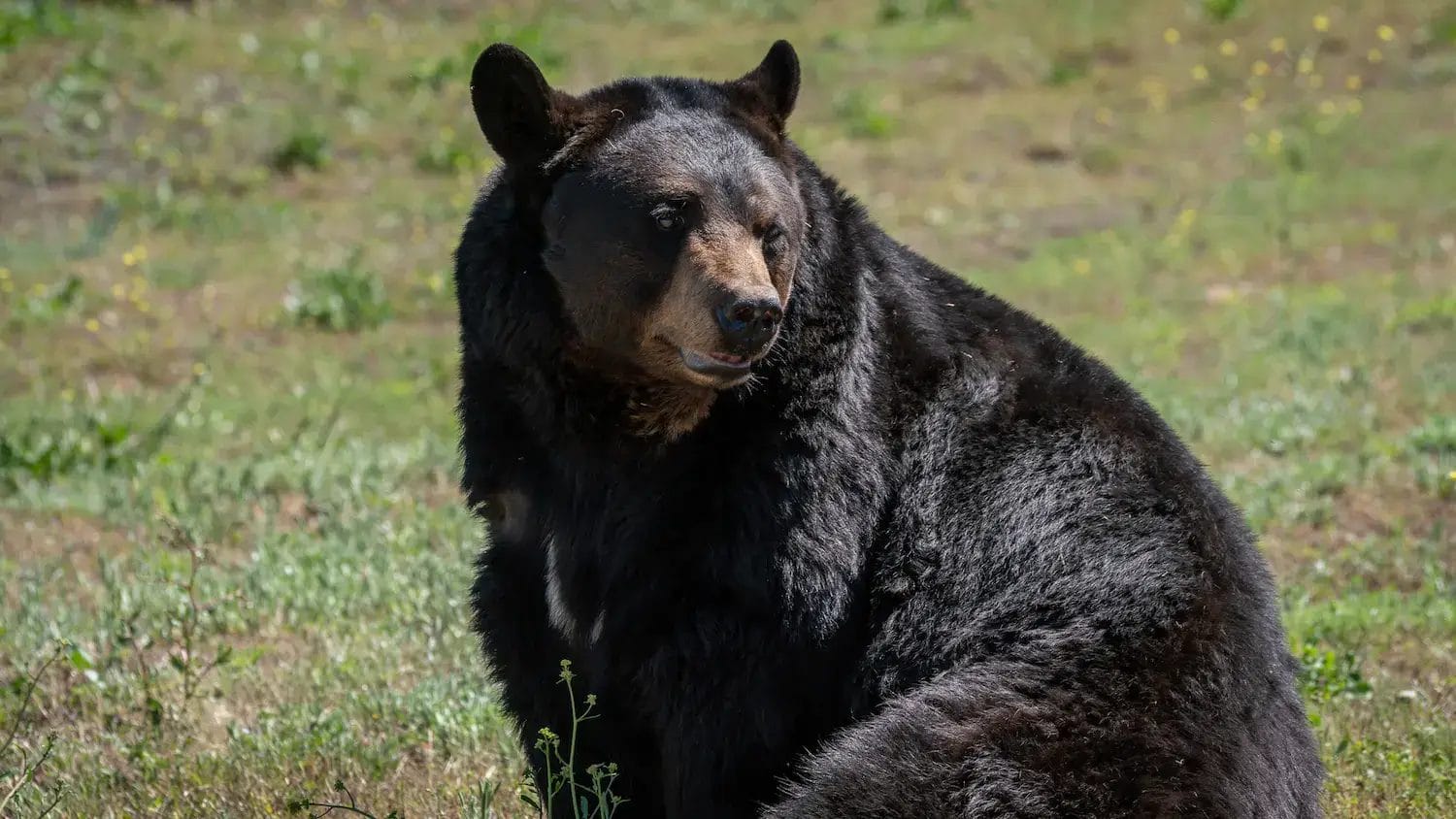
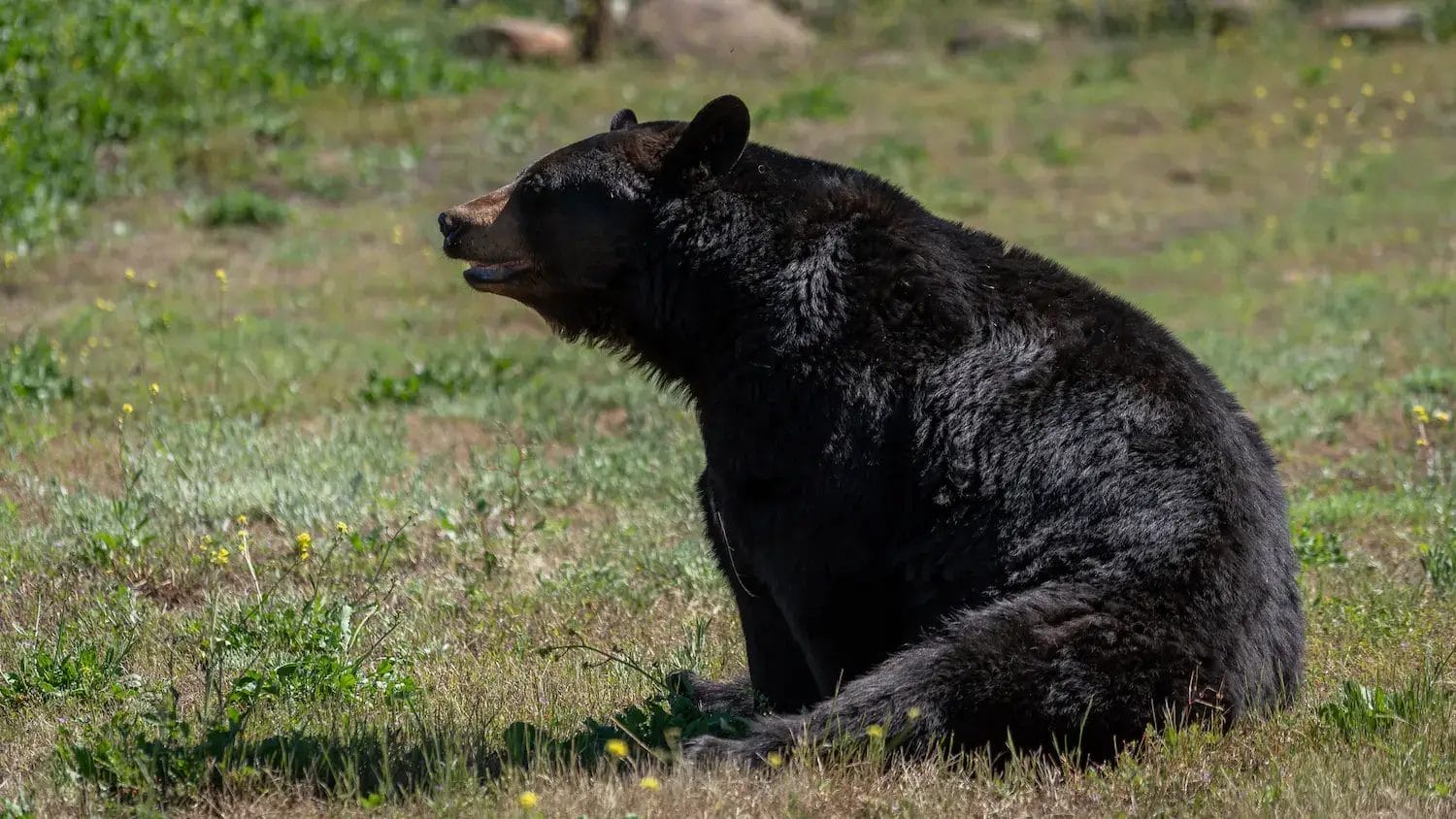
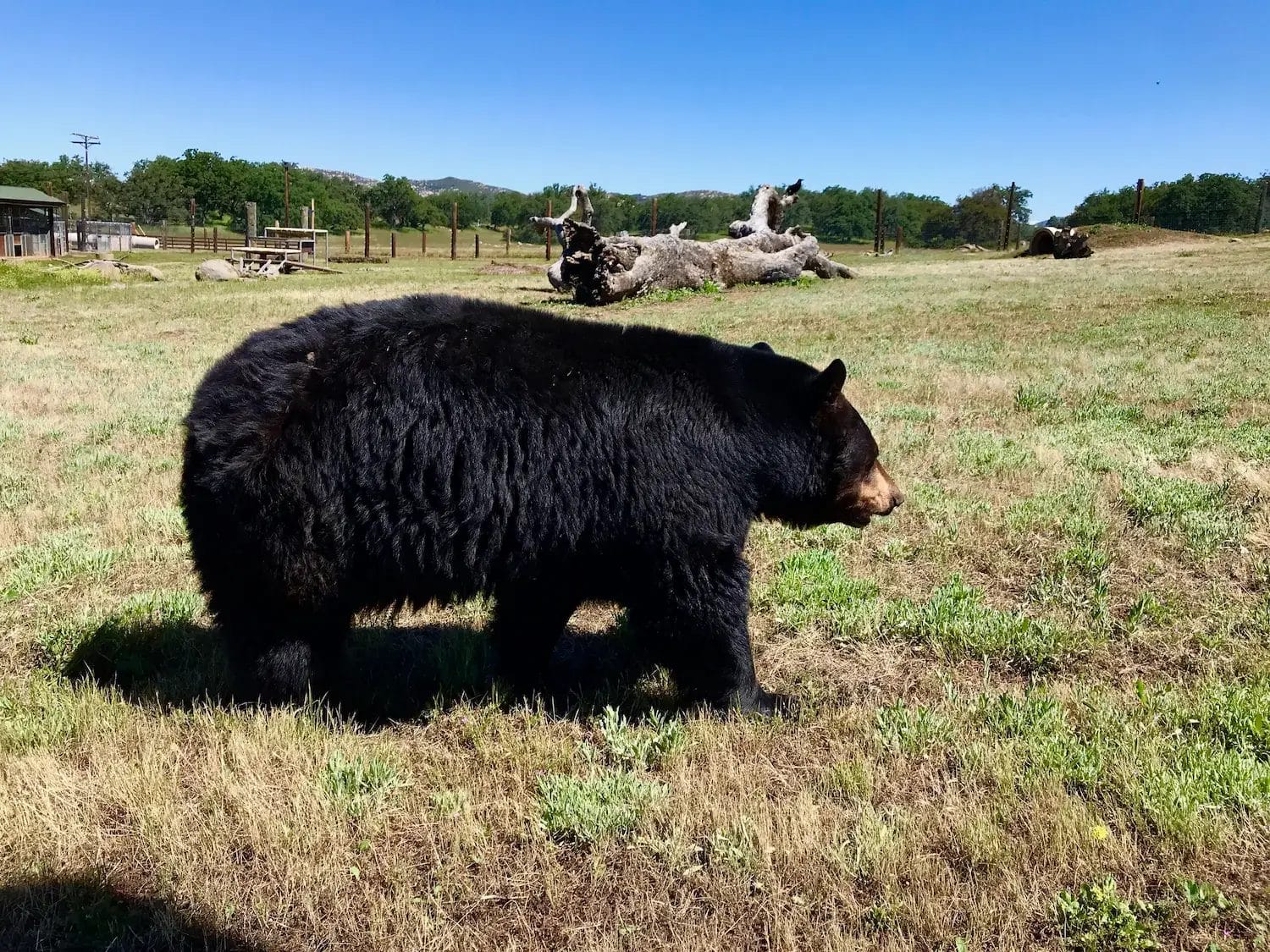
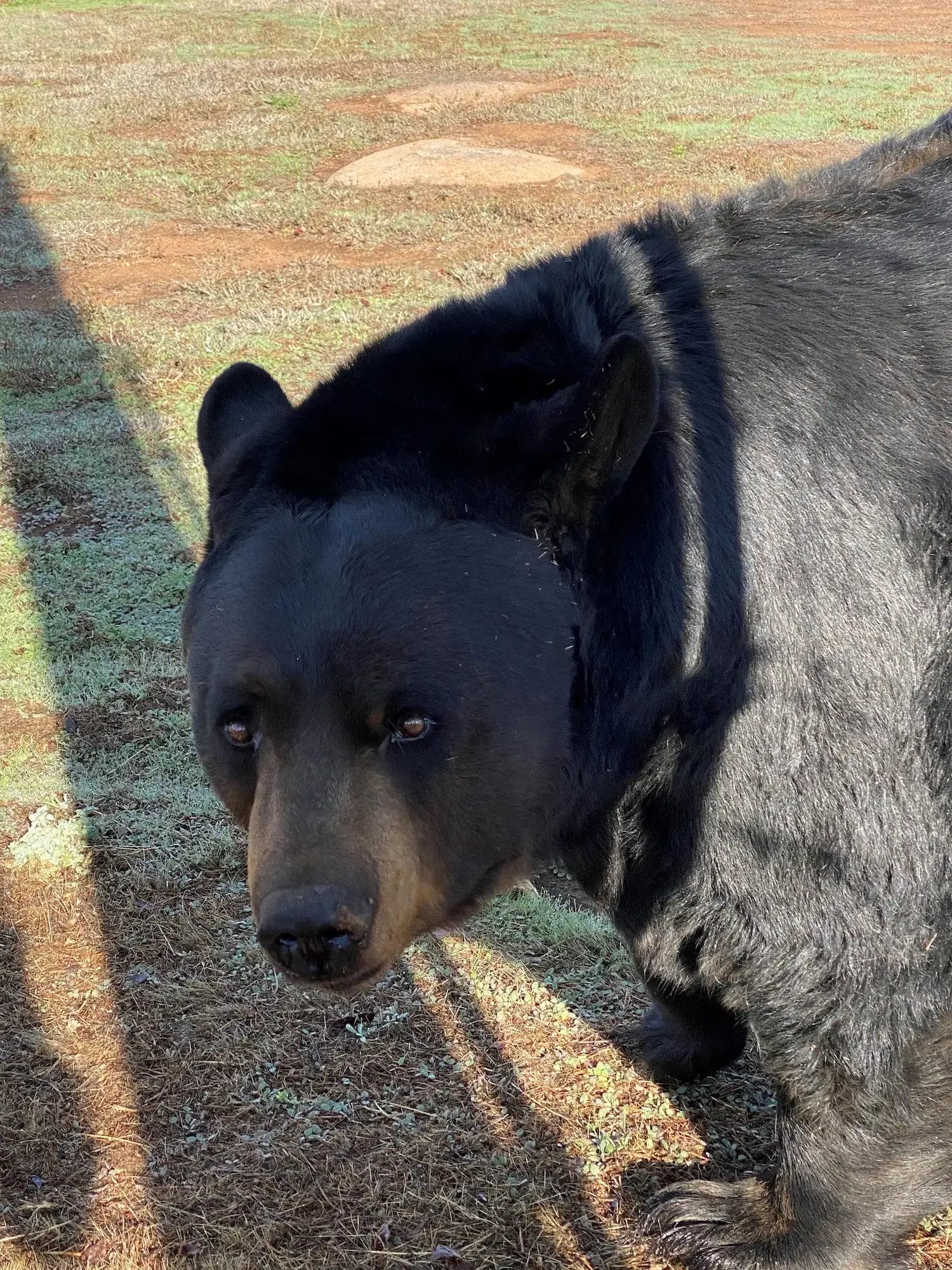
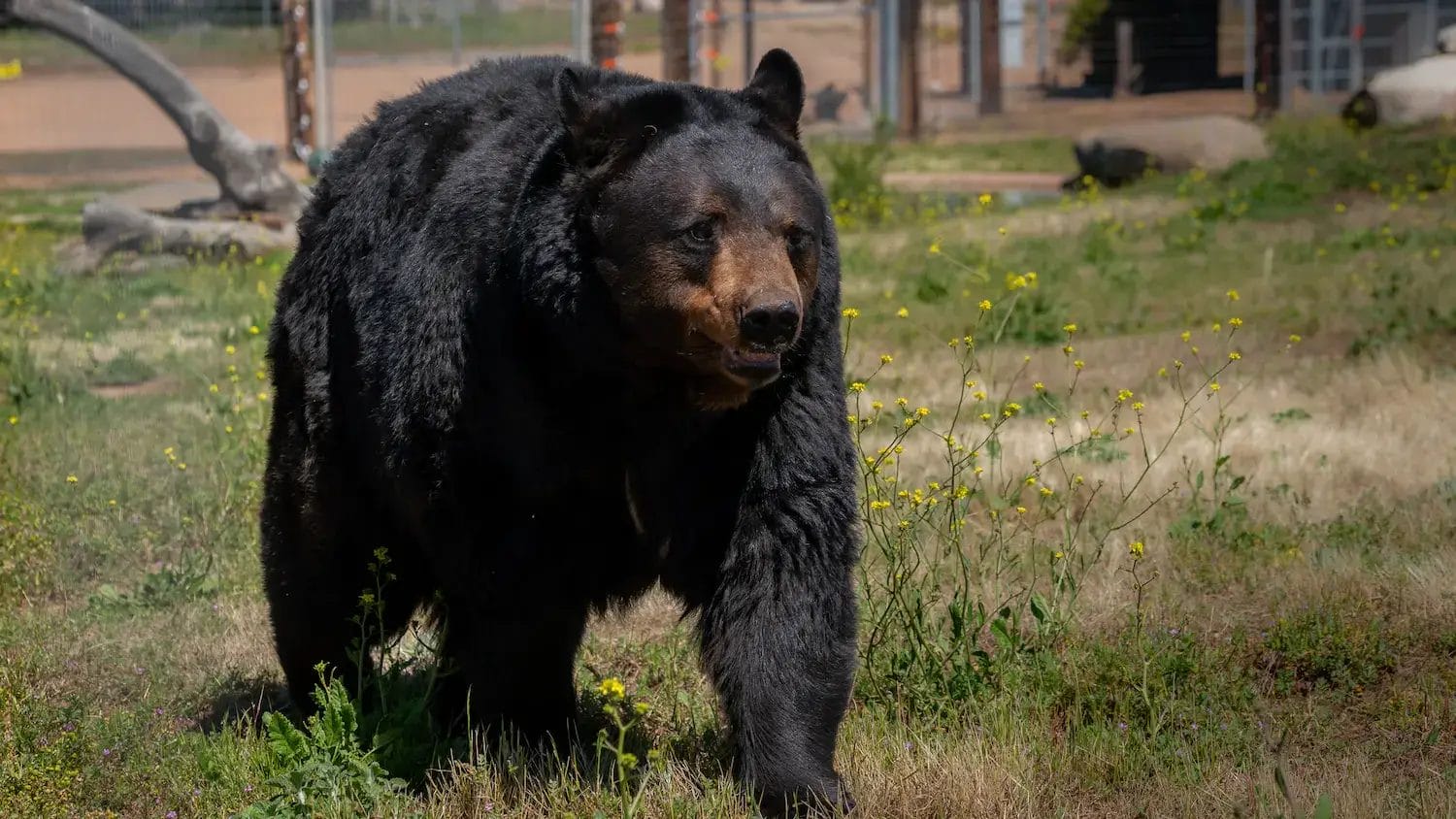
Meet Sugar Bear, Our Black Bear

Sugar Bear's story is one of resilience and compassion. Originally bred to be sold to a canned hunt ranch, or what is sometimes called a "game park," his fate took an unexpected turn. An unaccredited sanctuary owner, who was not affiliated with the canned-hunt ranch, discovered Sugar Bear and was captivated by his sweet personality. She effectively 'kidnapped' Sugar Bear to save him from that fate and then transferred to her unaccredited sanctuary in Ohio.

In Ohio, Sugar Bear's life was confined to a small corn crib cage with unforgiving concrete floors. This harsh existence continued until the sanctuary eventually closed its doors due to financial constraints. When the sanctuary closed, the owner was forced to surrender all the animals, including Sugar Bear.
Sugar Bear's rescue became part of a massive rescue and relocation initiative led by Lions Tigers & Bears1"' (LTB). This operation aimed to save all 32 animals from the former facility, ensuring their relocation to reputable sanctuaries across the United States.

Sugar Bear's transition to LTB was not without challenges. Having spent his life in the confines of a small cage, he was initially hesitant to venture out into his new surroundings. He had to adjust slowly to the concept of sun, dirt, open space, and the company of other bears. To help him make this transition, food trails were ingeniously used to coax him into the bear habitat.

Today, Sugar Bear has fully integrated into his black bear family at Lions Tigers & Bears. He has embraced life at the sanctuary and is a testament to the power of compassion, resilience, and the positive impact of our sanctuary's care.

Read More
Name
Sugar Bear
BORN DATE
2/8/2006
RESCUE DATE
August 2012
GENDER
Male
FAVORITE FOOD
Plumcots

Sugar Bear's transition to LTB was not without challenges. Having spent his life in the confines of a small cage, he was initially hesitant to venture out into his new surroundings. He had to adjust slowly to the concept of sun, dirt, open space, and the company of other bears. To help him make this transition, food trails were ingeniously used to coax him into the bear habitat.

Today, Sugar Bear has fully integrated into his black bear family at Lions Tigers & Bears. He has embraced life at the sanctuary and is a testament to the power of compassion, resilience, and the positive impact of our sanctuary's care.

Watch Sugar Bear's Incredible Story

Milestones

.

Rescued from Canned Hunt Fate (Year Unknown) – Sugar Bear was originally bred to be sold to a canned hunt ranch, but an unaccredited sanctuary owner intervened and took him to her facility in Ohio.

.

Surrendered After Sanctuary Closure (2012) – When the unaccredited Ohio sanctuary shut down due to financial difficulties, Sugar Bear and 31 other animals were surrendered, prompting a large-scale rescue effort.

.

Rescued by Lions Tigers & Bears (August 2012) – As part of a major rescue and relocation mission, Sugar Bear was brought to Lions Tigers & Bears, where he began his rehabilitation and transition to a better life.

.

Thriving in His Forever Home (Present Day) – After overcoming the trauma of his past, Sugar Bear now enjoys a life of freedom, companionship, and care at Lions Tigers & Bears, fully integrated with his black bear family.

hello world!

Sugar Bear's Gallery

sponsor Sugar Bear

Shop Sugar Bear Merch

shop here

Meet Our Other Residents

Cherry Bomb
Meet Cherry Bomb, Our Grizzly Bear In 2019, Brother Albert sadly passed away after battling cancer, leaving a void in the lives of those who cared for him. Cherry Bomb, his companion through their shared experiences, had a journey fraught with challenges. Cherry Bomb and her brother Albert had a difficult start in life. They were […]
Sugar Bear
Meet Sugar Bear, Our Black Bear Sugar Bear's story is one of resilience and compassion. Originally bred to be sold to a canned hunt ranch, or what is sometimes called a "game park," his fate took an unexpected turn. An unaccredited sanctuary owner, who was not affiliated with the canned-hunt ranch, discovered Sugar Bear and […]
Mia
Mia initially served as the household pet of a man in Wyoming. She lived in his house, which required him to make various lifestyle adjustments to accommodate her. Vacations became a rarity, as the presence of Mia was associated with shredded curtains, scratched and clawed furniture, and pervasive scent markings throughout the entire house. Socializing […]
1 2 3 25

FAQ's

What do bears eat?

Bears are omnivores, meaning they eat both plants and animals. Their diet varies by species and season but typically includes berries, nuts, roots, insects, fish, and small mammals. Some bears, like grizzlies, are skilled hunters, while others, like black bears, rely more on foraging.

Where do bears live?

Bears are found across North America, Europe, Asia, and even parts of South America. They inhabit a variety of ecosystems, including forests, mountains, tundras, and coastal regions. Each species has its own preferred habitat, such as polar bears in the Arctic and black bears in dense woodlands.

How long do bears live?

In the wild, bears typically live 15-25 years, depending on the species and environmental factors. In captivity, with proper care and veterinary attention, they can live over 30 years.

Are bears social animals?

No, most bears are solitary, except for mothers raising cubs. However, some species, like grizzlies, may gather in groups when food is abundant, such as during salmon runs. Bears communicate through body language, vocalizations, and scent markings.

How fast can bears run?

Despite their size, bears are surprisingly fast. Depending on the species, they can run between 30-40 mph (48-64 km/h) in short bursts. Black bears are particularly agile climbers, while grizzlies have immense power for chasing down prey or defending themselves.

Are bears endangered?

Some bear species are endangered due to habitat destruction, poaching, and climate change. For example, polar bears are at risk due to melting sea ice, while Asiatic black bears are hunted for the illegal wildlife trade. Other species, like American black bears, have stable populations but still face threats from human-wildlife conflict.

How many bears are in captivity?

Thousands of bears are held in captivity worldwide, often in roadside zoos, circuses, or private ownership. Many are used for entertainment, bred for the exotic pet trade, or kept in small enclosures with inadequate care. Sanctuaries like Lions Tigers & Bears rescue and rehabilitate bears from these situations, giving them a safe and natural environment to live out their lives.

Watch More Videos on s

hello world!
Interpreting the Many Sounds and Calls of Bears | Lions Tigers & Bears | Exotic Animal Sanctuary
Why Bears Should Remain in Their Natural Environment | Lions Tigers & Bears Animal Sanctuary
Bears and Their Keen Sense of Smell | Lions Tigers & Bears | San Diego's Exotic Animal Sanctuary

Read More Related Articles

23/08/15 | By: Bobbi Brink
Why Bears Should Remain in their Natural Environment
Every animal thrives in its natural habitat, and bears are no different. Bears have evolved and adapted over millions of years to live in specific environments, and their natural habitat provides the necessary resources and conditions for their survival and well-being.   The Role Bears Play in the Ecosystem Bears are considered a keystone species, meaning they […]
Read more
25/04/14 | By: Bobbi Brink
How Exotic Animals Build Bonds: Social Behaviors in Captivity
Wild animals have specific social structures that shape how they interact. Tigers live and hunt alone. Lions depend on their pride for survival. Bears avoid social interaction unless they are raising cubs or competing for food. These social behaviors are instinctive and have developed over generations for survival. In captivity, everything changes. Space is limited, […]
Read more
24/09/12 | By: Bobbi Brink
The Importance of Volunteers at an Animal Sanctuary: Making a Difference Daily
Ever thought about making a real difference in the lives of animals? Volunteering at an animal sanctuary is one of the most rewarding ways to do just that. It allows you to interact with and care for the animals in need and be a part of something bigger. But if this is your first time […]
Read more
1 2 3 31

Ph: 619.659.8078
Fx: 619.659.8841
[email protected]
24402 Martin Way, Alpine, CA 91901

Subscribe for our newsletter & get the latest news, exclusive deals, and to hear amazing stories of our rescued animals!


Subscription Form
© Lions Tigers & Bears. All Rights Reserved.
501(c)(3) Federal Tax ID #33-0938499
linkedin facebook pinterest youtube rss twitter instagram facebook-blank rss-blank linkedin-blank pinterest youtube twitter instagram